
In a world where fast fashion reigns supreme, sustainable streetwear brands are stepping up to the plate, proving that style and responsibility can walk hand in hand—like a perfectly matched pair of sneakers. These brands are not just about looking good; they’re about feeling good too. By choosing eco-friendly materials and ethical production methods, they’re redefining what it means to be trendy in a way that doesn’t cost the planet.
Imagine rocking your favorite hoodie while knowing it wasn’t made at the expense of Mother Earth. That’s the magic of sustainable streetwear. It’s not just a fashion statement; it’s a movement. So, if you’re ready to strut your stuff with a clear conscience, dive into the world of sustainable streetwear. After all, who says you can’t save the world one outfit at a time?
Overview of Sustainable Streetwear Brands
Sustainable streetwear brands focus on merging style with environmental consciousness. Brands prioritize eco-friendly materials like organic cotton, recycled polyester, and hemp. Ethical production methods play a crucial role in their operations, ensuring fair labor practices. Furthermore, many brands use local manufacturing to reduce carbon footprints and support local economies.
Innovative design often characterizes sustainable streetwear. Many labels incorporate unique, bold aesthetics that appeal to environmentally conscious consumers. Collaborations with artists and activists frequently enhance brand visibility, spreading awareness of sustainability issues through fashion.
Transparency remains key in the practices of sustainable streetwear brands. Customers benefit from knowing where and how garments are created. Certifications such as Global Organic Textile Standard (GOTS) and Fair Trade add credibility to claims of sustainability.
An increasing number of consumers seek out these brands as they become more aware of the impact of fast fashion. Market reports indicate a significant rise in demand for sustainable clothing options, showing that consumers value both style and ethics. As a result, established brands are adapting their practices to meet this growing demand.
In addition, community engagement often defines many sustainable brands. Workshops, pop-up events, and partnerships with environmental organizations promote the movement. By fostering a community around sustainability, these brands cultivate a loyal customer base that shares their values.
Sustainable streetwear brands exemplify a shift toward responsible consumption. They challenge conventional fashion norms while making a meaningful impact on the planet.
Importance of Sustainability in Fashion

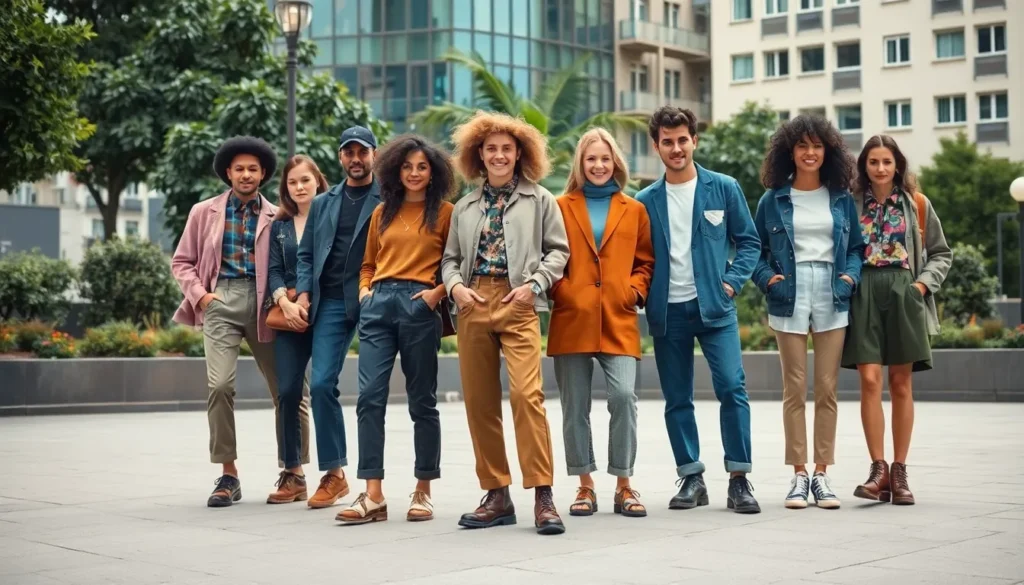
Sustainability in fashion addresses urgent environmental issues and promotes responsible consumerism. The rise of sustainable streetwear reflects the need for change in fashion practices.
Environmental Impact of Fast Fashion
Fast fashion contributes significantly to pollution, waste, and resource depletion. According to the United Nations, the fashion industry accounts for about 10% of global carbon emissions. Water usage also presents a major concern, with an estimated 2,700 liters needed to produce one cotton t-shirt. Additionally, garments often end up in landfills, creating immense waste. By choosing sustainable alternatives, consumers help reduce the industry’s environmental footprint and combat climate change.
Benefits of Sustainable Practices
Sustainable practices foster positive social and environmental outcomes. Brands adopting ethical production methods often prioritize fair labor practices, ensuring safe working conditions and fair wages. Using eco-friendly materials, such as organic cotton and recycled polyester, minimizes resource consumption and promotes biodiversity. Sustainable brands also focus on reducing waste through initiatives like upcycling. Consequently, these practices generate a loyal customer base that values transparency and responsibility in fashion. Embracing sustainability enhances brand reputation and encourages a collective movement towards a more conscious and equitable fashion industry.
Notable Sustainable Streetwear Brands
Sustainable streetwear brands are making a strong impact in the fashion industry by prioritizing eco-friendliness and ethical practices. Here are three notable brands that exemplify these values.
Brand 1: Overview and Values
Patagonia stands out for its commitment to environmental responsibility. Founded in 1973, this brand utilizes recycled materials and organic cotton in its apparel. Transparency drives Patagonia’s operations, as they openly share their supply chain processes and environmental practices. It actively participates in activism, donating 1% of sales to grassroots environmental organizations. Known for durable products, this brand combines style with sustainability seamlessly.
Brand 2: Overview and Values
Reformation focuses on creating fashion that does not compromise the planet. Established in 2009, this brand emphasizes sustainable materials such as Tencel and recycled fibers. It prioritizes ethical labor practices, ensuring fair wages for workers while minimizing water usage in production. Reformation’s trendy designs resonate with a youthful audience, making it popular among conscious consumers. Engaging in initiatives like carbon offsets, this brand strives to leave a positive environmental impact.
Brand 3: Overview and Values
Pangaia prioritizes innovation in sustainable textiles and practices. Launched in 2018, this brand combines technology with eco-friendly materials, offering items made from organic cotton and post-consumer waste. Pangaia’s commitment to circularity drives its production processes, aiming to minimize waste. The brand also focuses on bold aesthetics, appealing to fashion-forward individuals who value sustainability. Educational programs enhance its mission, fostering awareness about environmental issues among consumers.
Key Features of Sustainable Streetwear
Sustainable streetwear brands prioritize unique characteristics that promote environmental and social responsibility. They emphasize ethical operations and eco-friendly practices.
Ethical Sourcing and Production
Sustainable streetwear brands emphasize ethical sourcing, ensuring materials come from responsible suppliers. Fair labor practices play a crucial role, often guaranteeing safe working conditions and fair wages for workers. Many brands seek certifications such as Fair Trade to validate their efforts. Transparency in the supply chain fosters trust with consumers, who increasingly value brands that share their ethical commitments. Ethical production extends beyond labor practices; it often includes local manufacturing to reduce carbon footprints and support local economies. By focusing on these elements, sustainable brands align their business strategies with their values.
Eco-Friendly Materials
Eco-friendly materials are foundational to sustainable streetwear. Brands typically incorporate organic cotton, recycled polyester, and hemp into their designs. These materials not only reduce environmental impact but also provide unique textures and styles. Innovative textiles, like those made from upcycled ocean plastic, showcase how creativity meets sustainability. Many brands prioritize durability, promoting longevity over fast fashion’s disposable nature. Using natural dyes and low-impact production methods further enhances environmental responsibility. Through these efforts, sustainable streetwear highlights the potential for style combined with eco-conscious choices.
Sustainable streetwear brands are redefining the fashion landscape by prioritizing eco-conscious practices without sacrificing style. As consumers become more aware of their purchasing power, the demand for ethically produced clothing continues to rise. This shift not only promotes a healthier planet but also fosters a sense of community among those who value sustainability.
By supporting these brands, individuals contribute to a movement that challenges fast fashion’s detrimental effects. The innovative designs and commitment to transparency resonate with a growing audience eager to make responsible choices. Embracing sustainable streetwear is more than a trend; it’s a lifestyle that champions environmental stewardship and social responsibility.