
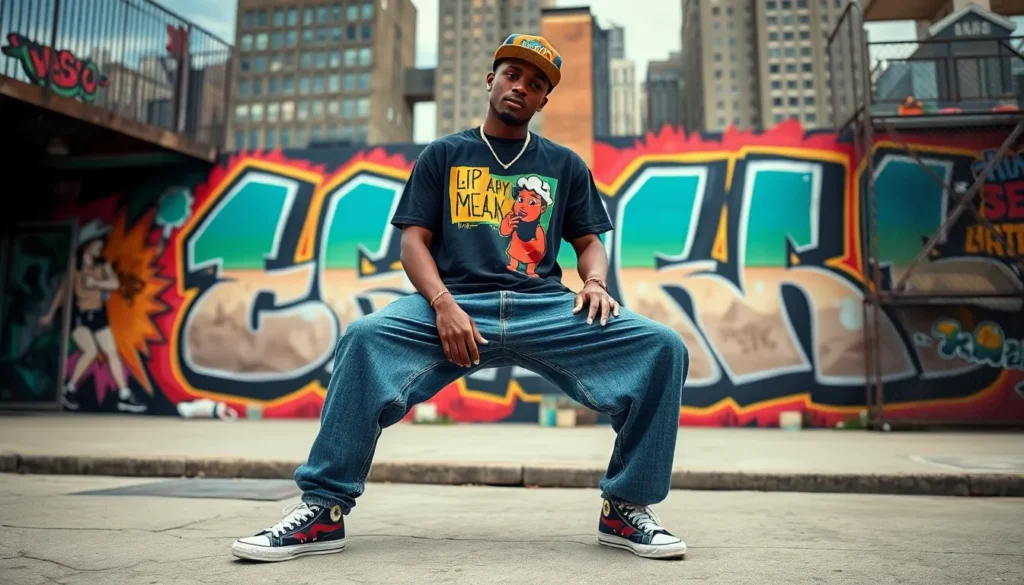
Streetwear isn’t just a fashion choice; it’s a lifestyle that screams individuality and creativity. From the bustling streets of Tokyo to the graffiti-covered walls of Brooklyn, this trend captures the essence of urban culture and self-expression. But what fuels this ever-evolving style? The answer lies in a melting pot of influences that inspire fashion enthusiasts around the globe.
Understanding Streetwear Inspiration
Streetwear draws heavily from culture, art, and music, reflecting the vibe of urban environments. Influences come from skateboarding, hip-hop, and punk subcultures, creating a powerful mix. Designers often look to city streets for color palettes and styles that resonate with the youth.
Fashion icons play a crucial role in shaping streetwear. Celebrities like A$AP Rocky, Rihanna, and Travis Scott often collaborate with brands, bringing unique perspectives and creativity. Such partnerships highlight the dynamic relationship between music and fashion.
Streetwear’s evolution showcases a blend of heritage and innovation. Japanese designers bring a distinct aesthetic, merging traditional techniques with contemporary styles. American brands often incorporate graphic tees and sneakers, staple items in streetwear outfits.
Brands continuously experiment with materials and designs, maintaining relevance and appeal. Collaborations with artists and other fashion labels result in limited-edition pieces that drive excitement. The community also influences trends through social media platforms, where users showcase their personal styles.
Global events can also shift streetwear trends. Fashion weeks in major cities often spotlight emerging concepts and collaborations, inspiring enthusiasts worldwide. Cultural movements further enrich the streetwear landscape, allowing it to evolve and adapt over time.
Overall, streetwear embodies a cultural tapestry that thrives on collaboration and creativity. Its connection to urban life ensures its ongoing relevance in the ever-changing world of fashion.
Influential Figures in Streetwear
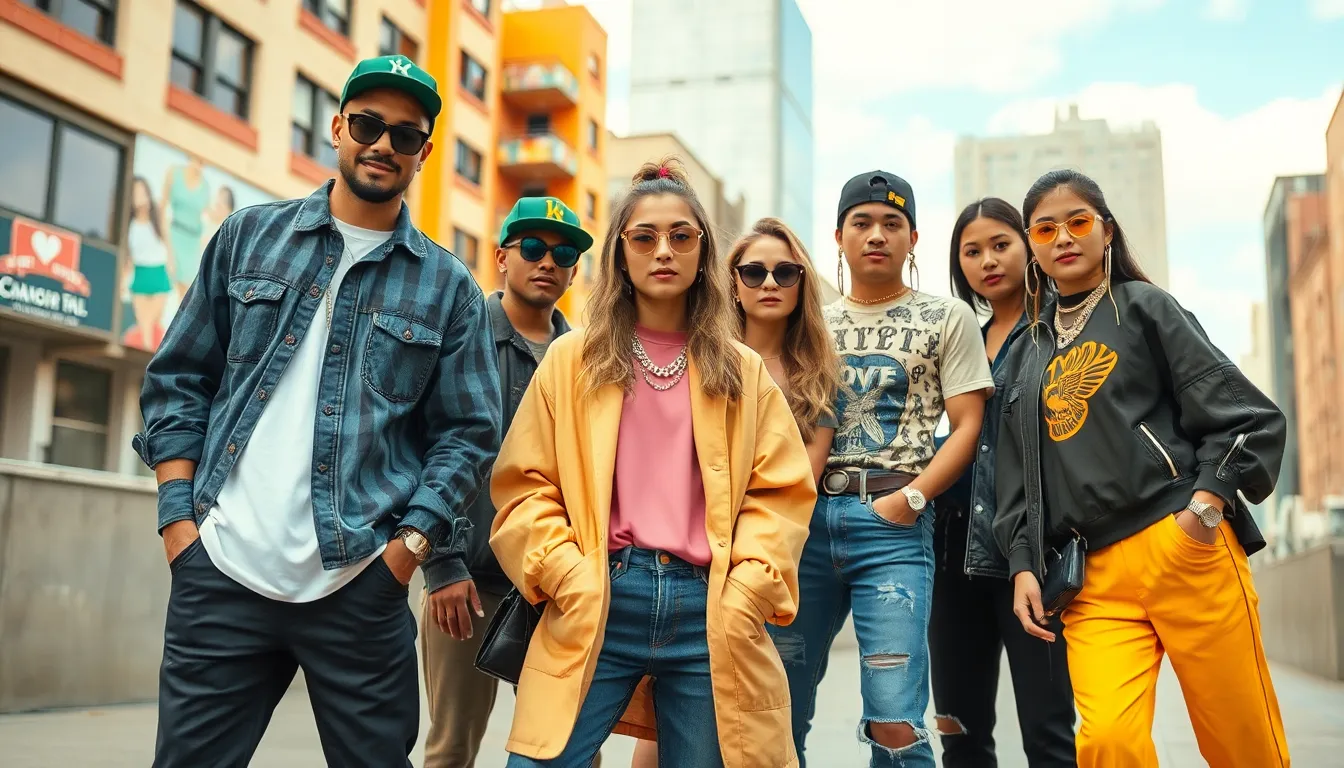
Streetwear evolves through input from various designers and brands that shape its identity.
Designers and Brands
Virgil Abloh led Off-White to become a staple in streetwear, bridging high fashion and urban style. Supreme revolutionized skate culture with its branded items and limited drops. A Bathing Ape, known for its bold graphics, has also significantly impacted streetwear’s aesthetic. Collaborations with established brands, like Nike and Adidas, further propel these designers into mainstream culture. Additionally, Fear of God, founded by Jerry Lorenzo, blends luxury with street sensibilities. These influential brands consistently push boundaries and redefine style, emphasizing originality and creativity.
Cultural Icons
Prominent figures impact streetwear by setting trends and influencing styles. A$AP Rocky merges music with fashion, showcasing unique outfits that resonate with youth. Rihanna’s Fenty line emphasizes inclusivity and diversity, offering something for everyone. Travis Scott, recognized for his collaborations with Nike, creates buzz with each release. Social media presence amplifies their influence, with millions following their styles. Designers and cultural icons work closely together, continuously evolving the streetwear landscape. Each collaboration reflects current cultural dynamics, pushing streetwear into new realms.
The Evolution of Streetwear
Streetwear has transformed significantly over the decades, combining cultural influences and artistic expression. This style has evolved from niche beginnings to a global phenomenon.
Historical Context
Streetwear originated in the late 1970s and early 1980s in New York City. Influences from punk rock, hip-hop, and skate culture shaped its foundational styles. Brands like Stüssy and Supreme emerged, emphasizing casual and comfortable clothing. Early adopters and youth subcultures embraced these styles, often expressing individuality. Japanese designers later infused traditional motifs with modern aesthetics, creating a fusion that resonated worldwide. Iconic moments, such as the collaboration between Supreme and Louis Vuitton in 2017, highlighted streetwear’s solidified status in luxury fashion.
Modern Trends
Contemporary streetwear reflects diverse trends influenced by technology and social media. Collaborations continue to emerge, blending high fashion and street-inspired aesthetics. Athleisure remains a popular trend, integrating comfort and functionality into everyday wear. Graphic tees, oversized silhouettes, and bold color palettes dominate current collections. Influencers and celebrities leverage platforms like Instagram and TikTok to showcase their styles, driving the evolution of streetwear. Gender fluidity in fashion becomes more prevalent, expanding inclusivity in designs. Limited-edition releases sustain consumer interest, heightening the exclusivity of certain pieces.
Elements of Streetwear Inspiration
Streetwear inspiration encompasses various elements that define its unique style. Color and pattern choices play a pivotal role, shaping the overall aesthetic.
Colors and Patterns
Streetwear often utilizes bold colors and eye-catching patterns. Designers frequently draw from urban environments, incorporating vibrant hues like neon and pastels. Graphic elements like stripes, checks, and tie-dye add visual interest. Influences from graffiti art frequently manifest in pattern choices, allowing for creative expression. Fashion icons don oversized silhouettes featuring striking prints, enhancing wearability. Popular color combinations include black and white contrasted with a bright accent, providing a modern touch. Streetwear also embraces seasonal palettes, reflecting current trends and cultural shifts.
Fabric and Texture
Fabric selection significantly contributes to the streetwear vibe. Lightweight materials like cotton and polyester dominate casual pieces, ensuring comfort during urban activities. Textures also play a crucial role; denim, for example, remains a staple for both jackets and pants, offering versatility. Streetwear brands often experiment with unconventional fabrics like mesh and vinyl, creating unique styles. Layering various textures enhances visual depth, allowing individuals to showcase personal style. Influences from luxury fashion include the use of premium materials in collaborations, elevating everyday pieces. Streetwear consistently thrives on the fusion of casual comfort and innovative fabrics.
Streetwear in Popular Culture
Streetwear continually shapes and reflects popular culture through its diverse influences. Music, especially hip-hop and punk genres, significantly impacts its evolution.
Music Influence
Musical artists often drive streetwear trends. A$AP Rocky and Travis Scott frequently blend their music style with fashion choices, creating a dynamic culture around their brands. Collaborations between designers and musicians result in limited-edition releases that attract fans. Iconic merchandise from artists shapes what followers wear, making music an integral part of streetwear. Major festivals and concerts also showcase personal style, creating visibility for brands and designers. This relationship between music and streetwear fosters a unique dialogue, enhancing the overall appeal of both worlds.
Social Media Impact
Social media platforms amplify the influence of streetwear. Instagram serves as a visual portfolio for brands, showcasing the latest trends and collections. Influencers regularly share their outfits, generating excitement and engagement around new releases. TikTok’s viral challenges also push streetwear into the spotlight, making it accessible to a wider audience. User-generated content promotes authenticity, creating communities around specific styles and brands. Brands that integrate social media into their marketing strategies often experience increased visibility and consumer interaction. This digital landscape continues to shape the perception and accessibility of streetwear, breathing new life into the fashion movement.
Streetwear stands as a powerful testament to the fusion of culture and creativity. Its roots in urban environments have cultivated a vibrant community that thrives on individuality and expression. As it continues to evolve through collaborations and innovative designs, streetwear remains a dynamic force in the fashion industry.
The influence of music and social media has only amplified its reach, allowing diverse voices to shape trends and styles. This ever-changing landscape ensures that streetwear not only reflects contemporary culture but also pushes the boundaries of fashion. Embracing its rich heritage while looking toward the future, streetwear will undoubtedly continue to inspire and captivate fashion enthusiasts around the globe.


