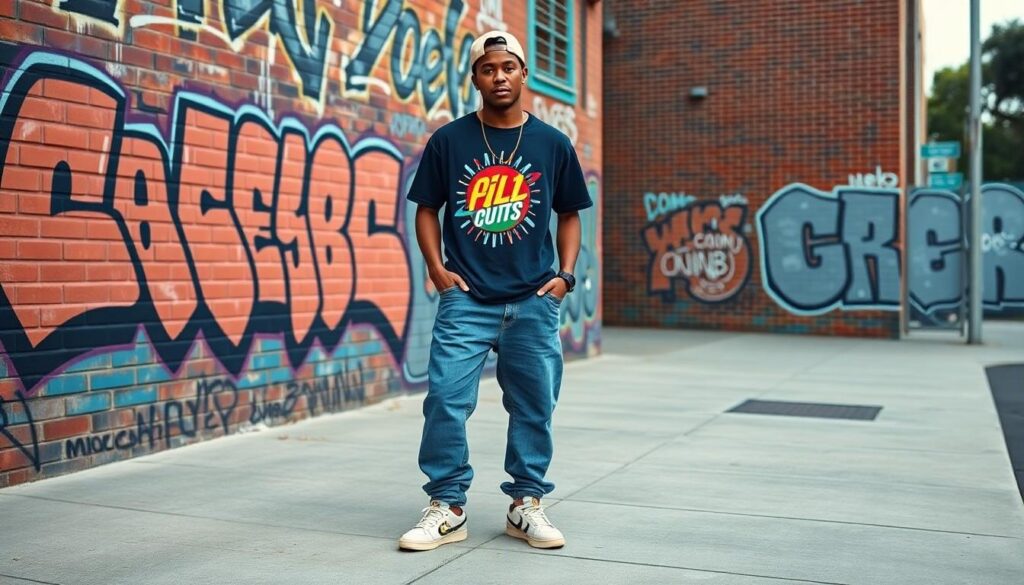
If there’s one thing that screams nostalgia louder than a flip phone ringtone, it’s the fashion of the 2000s. Streetwear for men during this era was a wild ride of oversized tees, baggy jeans, and sneakers that could double as a small vehicle. It was a time when style was about more than just looking good; it was about making a statement and, let’s be honest, sometimes a fashion faux pas or two.
Overview of Streetwear 2000’s Fashion Men
Streetwear in the 2000s defined a significant evolution in men’s fashion. Iconic elements included oversized tees, which often displayed bold graphics or brand logos, and baggy jeans popularized by skate culture. Bulky sneakers became a staple, reflecting both comfort and style. Brand collaborations added exclusivity; notable names like Supreme and Stüssy emerged as leaders in the streetwear scene.
Streetwear’s influence on music and pop culture was palpable. Artists like Pharrell Williams and Kanye West helped shape trends, merging fashion with hip-hop. Graphic hoodies gained popularity, often featuring eye-catching prints or witty phrases. Cargo pants also saw a resurgence, providing both functionality and flair with multiple pockets and varied materials.
Accessories complemented the look with beanies, snapback caps, and chunky jewelry. Streetwear embraced individual expression, allowing men to mix and match pieces to create unique outfits. Trends often featured bright colors that contrasted with the dominant neutral tones of earlier decades.
Urban environments provided inspiration for many styles. Influencers on social media platforms shared images showcasing their looks, further fueling the trend’s growth. Streetwear during this decade became more than just clothing; it marked a cultural statement shaping identities and lifestyles for many.
Comfort coexisted with style throughout this period. Athleisure emerged, allowing men to transition effortlessly from casual wear to active wear without compromising aesthetics. This fusion of function and fashion played a key role in the lasting appeal of 2000s streetwear.
Key Trends in 2000’s Streetwear
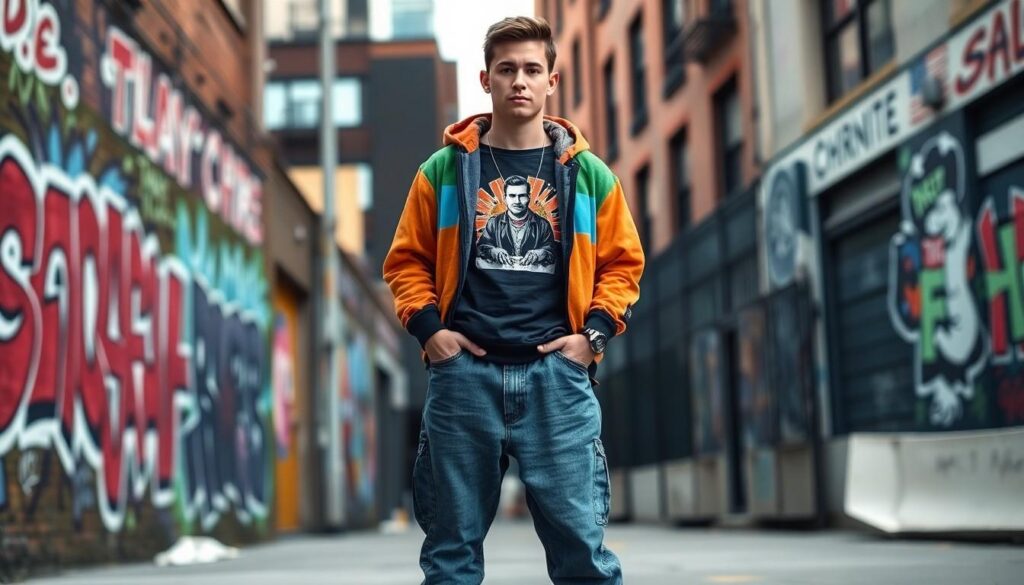
The 2000s streetwear scene showcased distinct trends that still resonate today. Signature offerings included graphic tees and hoodies alongside baggy jeans and cargo pants.
Graphic Tees and Hoodies
Graphic tees dominated men’s streetwear during this era. Artists and brands incorporated bold designs that made statements about culture and individuality. Iconic logos often adorned shirts, leveraging collaborations with musicians and brands for street cred. Hoodies complemented these styles, frequently seen layered for both warmth and fashion. The oversized fit catered to comfort while making a strong style impact. Graphic hoodies featured playful prints or brand logos, emphasizing the era’s relaxed yet expressive vibe.
Baggy Jeans and Cargo Pants
Baggy jeans became synonymous with 2000s streetwear. Loose-fitting styles offered freedom of movement while maintaining a relaxed aesthetic. Many men turned to cargo pants, which embraced functional pockets and a durable silhouette. The popularity of these pants stemmed from skate and hip-hop influences that celebrated practicality and urban lifestyles. Pairing these bottoms with fitted or oversized tops created a balanced look. Streetwear enthusiasts often opted for both pieces, blending comfort and style effortlessly in everyday outfits.
Influential Brands and Designers
Iconic brands and designers significantly shaped 2000s streetwear fashion for men. They introduced styles that became cultural phenomena, making lasting impressions.
A Bathing Ape
A Bathing Ape, often abbreviated as AAPE, gained recognition for its distinctive camo patterns and the iconic Ape Head logo. Founded in 1993 by Nigo, this Japanese brand revolutionized streetwear by blending high fashion and pop culture. Collaborations with artists and musicians notably elevated its status, while limited releases created a cult following. Bold designs showcased a playful aesthetic, appealing to youth across urban landscapes. A Bathing Ape established itself as a staple in 2000s streetwear, influencing countless other brands and designers.
Supreme
Supreme emerged as a dominant force in 2000s streetwear, known for its provocative graphics and limited drops. The brand began in 1994, making waves with its unique approach to skate culture. Collaborations with high-profile designers, like Louis Vuitton, amplified Supreme’s reach, merging skate fashion with luxury. Its box logo became an emblem of exclusivity, with fans lining up for releases. Streetwear enthusiasts sought out Supreme not just for clothing but as a symbol of status and identity, cementing its place in fashion history.
Cultural Impact of 2000’s Streetwear
The 2000s marked a significant shift in fashion culture, driven largely by streetwear’s rise in popularity among men. This era saw a fusion of music, celebrity influence, and the birth of online communities that solidified streetwear’s status.
Music and Celebrity Influence
Music played a pivotal role in shaping streetwear during the 2000s. Artists like Pharrell Williams and Kanye West became ambassadors of this style, frequently showcasing their unique fashion choices. Their influence extended beyond just music, as they popularized brands and trends. Hip-hop culture intertwined with streetwear, creating a powerful aesthetic that resonated with youth. Celebrities wore oversized tees and baggy jeans, setting new standards in fashion. Iconic performances often highlighted these streetwear styles, further capturing public attention and driving fans to emulate their favorite artists.
Rise of Online Communities
Online communities emerged as vital platforms for streetwear enthusiasts during the 2000s. Forums and social media sites connected fans, allowing them to share styles and discuss trends. Websites dedicated to streetwear fostered collaborations, encouraging brands to engage with their audience. These platforms normalized limited drops, building anticipation and hype around exclusive releases. Enthusiasts participated in online marketplaces, exchanging rare items and building personal brands. Active engagement in these communities created a culture of collaboration and creativity, allowing individuals to express their identities through fashion.
The 2000s marked a transformative period for men’s streetwear, characterized by a unique blend of comfort and bold expression. This era not only shaped individual identities but also set the stage for future fashion trends. Influential figures like Pharrell Williams and Kanye West played crucial roles in popularizing styles that continue to resonate today.
As brands like Supreme and A Bathing Ape emerged as cultural icons, they created a legacy that still influences contemporary streetwear. The vibrant colors and oversized fits of the 2000s remain a testament to the creativity and individuality that defined this unforgettable decade in fashion. Streetwear from this time will always hold a special place in the hearts of enthusiasts, ensuring its relevance in the ever-evolving landscape of style.