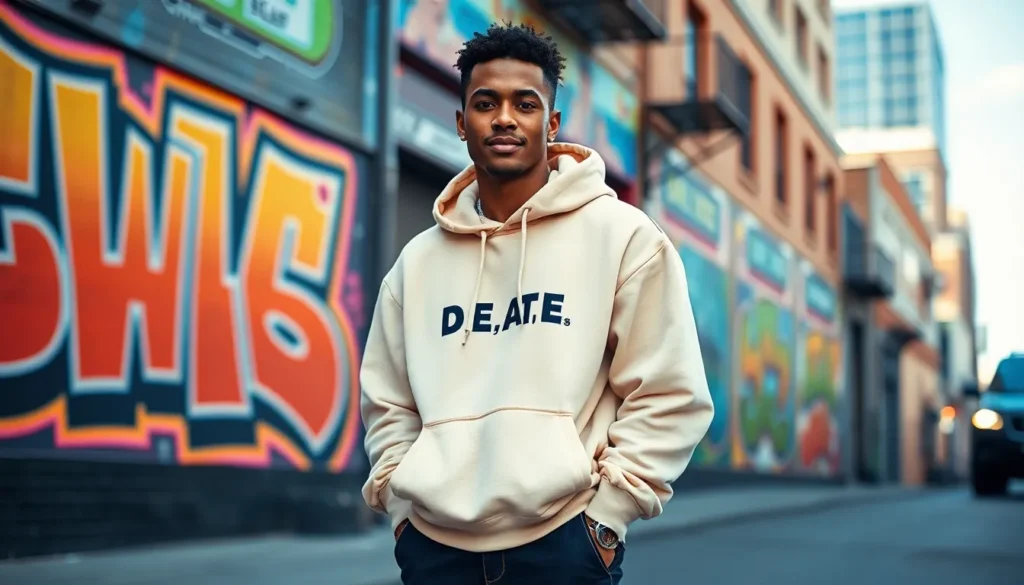
In a world where fashion meets the streets, luxury streetwear brands reign supreme, blending opulence with urban flair. Imagine rocking a hoodie that costs more than your monthly rent while feeling like a million bucks. It’s not just clothing; it’s a lifestyle statement that screams, “I’ve arrived!”
These brands have taken the humble T-shirt and turned it into a canvas for artistic expression, all while keeping comfort at the forefront. With celebrities and influencers flaunting their latest finds, it’s no wonder everyone wants a piece of the action. So, buckle up as we dive into the fascinating realm of luxury streetwear, where high fashion collides with street cred, and every piece tells a story worth telling.
Overview of Luxury Streetwear Brands
Luxury streetwear brands fuse high fashion with urban style, creating distinct lifestyle statements. These brands elevate everyday clothing, such as T-shirts, hoodies, and sneakers, transforming them into wearable art. Comfort remains a top priority, appealing to consumers seeking stylish yet practical attire.
Prominent brands like Off-White and Balenciaga lead the sector, showcasing bold designs and unique aesthetics. Collaborations between luxury fashion houses and streetwear labels further deepen the connection between high fashion and street culture. Notable partnerships, like the collaboration between Louis Vuitton and Supreme, highlight this blend, gaining massive mainstream attention.
Celebrity endorsements boost brand visibility and desirability. Influencers often sport luxury streetwear in social media posts, effectively shaping trends and inspiring consumers. The impact of this exposure drives demand, creating a vibrant marketplace for these coveted pieces.
Brands such as A Bathing Ape (BAPE) and Fear of God continue to innovate, experimenting with materials and silhouettes. Their commitment to exclusivity, seen in limited releases and unique collections, cultivates a sense of urgency among consumers.
Market analysis indicates that luxury streetwear sales continue to surge, with revenues projected to reach significant figures in the coming years. Digital presence plays a crucial role, as online platforms enable brands to engage with a global audience. Social media serves as a powerful tool for showcasing collections and generating buzz around new launches.
The fusion of luxury and streetwear creates a dynamic evolution in the fashion industry, with trends constantly shifting as brands adapt to consumer preferences. Each unique piece tells a story, resonating with a diverse demographic that values both style and substance.
History of Luxury Streetwear
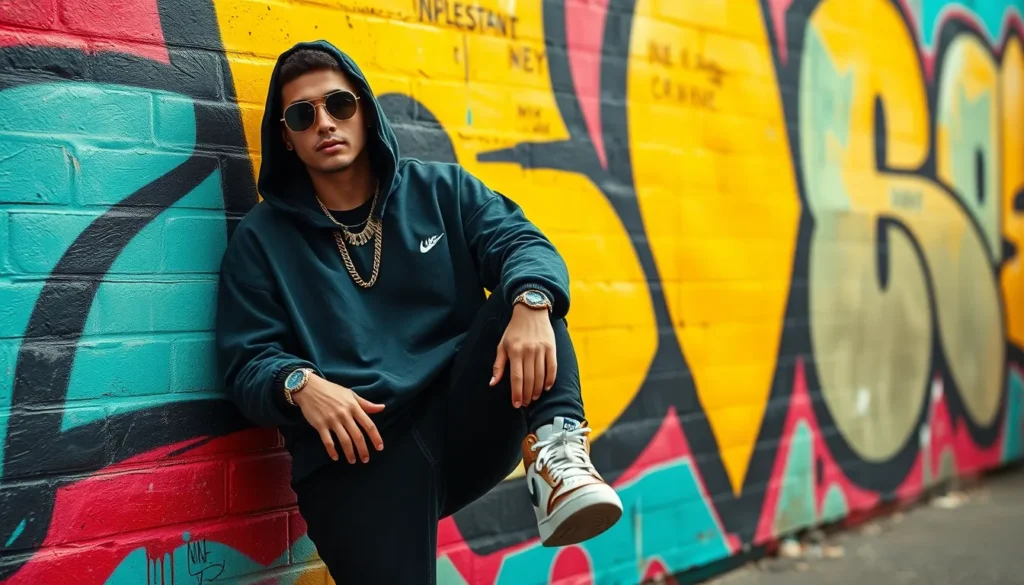
Luxury streetwear emerged as a powerful force in the fashion industry, shifting from mere street style to an influential trend. The blending of casual and high-end aesthetics created a fresh narrative for fashion enthusiasts.
Emergence in the Fashion Scene
In the 1980s, luxury streetwear first gained traction as urban culture influenced high fashion. Designers began to draw inspiration from street art, music, and sports culture, which resonated with a younger demographic. Brands crafted clothing that balanced style and comfort, appealing to those seeking exclusivity without sacrificing everyday wear. The rise of sneaker culture also contributed to this evolution, with high-end sneakers achieving cult status. By the late 1990s and early 2000s, designers like Nigo of A Bathing Ape began to solidify luxury streetwear’s place within the broader fashion landscape, capturing attention and paving the way for future innovations.
Influential Designers and Collaborations
Key designers played a pivotal role in shaping the luxury streetwear narrative. Virgil Abloh, founder of Off-White, transformed everyday pieces into fashion statements, blurring the lines between luxury and street style. Collaborations between streetwear brands and high-fashion houses further propelled this genre. For instance, the partnership between Louis Vuitton and Supreme showcased how traditional luxury could coexist with urban aesthetics, capturing headlines and market interest. The influence of these designers and collaborations fueled the growth of luxury streetwear, leading to an expansion in consumer interest and brand loyalty. Trends continually evolve, but the impact of these creative partnerships remains significant.
Key Characteristics of Luxury Streetwear
Luxury streetwear embodies exclusive qualities that set it apart from traditional fashion. Emphasis on premium materials and distinguished craftsmanship defines its allure, appealing to a savvy demographic.
Quality and Craftsmanship
Luxury streetwear brands prioritize superior quality in every piece. High-end materials such as silk, cashmere, and premium cotton elevate everyday garments. Meticulous craftsmanship ensures durable construction, allowing for long-lasting wear. Many brands adopt rigorous quality control processes, often leading to a higher price point that reflects this commitment. Buyers appreciate intricate detailing and refined finishes that enhance the luxury feel. This focus on quality differentiates luxury streetwear from standard apparel.
Unique Designs and Aesthetic
Distinctive designs characterize luxury streetwear, blending urban influences with high fashion. Innovative silhouettes often incorporate bold graphics and striking color palettes to make a statement. Many brands experiment with asymmetry and layering, creating eye-catching looks. Street culture elements, including music and art, inform these unique aesthetics, attracting diverse consumers. Limited edition drops generate excitement, fostering a sense of exclusivity and desirability. Overall, this vibrant design language appeals to individuals seeking to express their identity through fashion.
Popular Luxury Streetwear Brands
Luxury streetwear brands capture attention with their unique blends of high fashion and urban style. Many of these brands have risen to prominence by transforming everyday wear into artful expressions of lifestyle.
Brand Profiles
Off-White, founded by Virgil Abloh, stands at the forefront of luxury streetwear, known for its striking graphics and diagonal stripes. Balenciaga offers avant-garde styles that redefine classic silhouettes, appealing to trendsetters. A Bathing Ape (BAPE) remains iconic, celebrated for its bold camo patterns and vibrant colors. Fear of God, created by Jerry Lorenzo, merges luxury with casual wear, focusing on oversized fits and premium materials. Each brand thrives on its unique aesthetic, fostering a distinct identity that resonates with consumers globally.
Signature Collections
Off-White’s “Industrial” collection features belts and accessories that have become symbols of status. Balenciaga’s “Triple S” sneaker exemplifies the chunky shoe trend, achieving cult status among sneaker enthusiasts. The “ABC” line from A Bathing Ape highlights streetwear with playful graphics and distinctive branding, maintaining its appeal. Fear of God’s Essentials line emphasizes minimalism, utilizing high-quality fabrics for everyday wear. Signature collections from these brands reinforce their cultural significance while attracting a diverse consumer base eager for exclusivity.
The Future of Luxury Streetwear
The evolution of luxury streetwear continues to captivate consumers and redefine fashion boundaries. This genre is on the brink of groundbreaking developments.
Trends to Watch
Streetwear brands are increasingly embracing technology, with augmented reality and virtual showrooms leading the charge. Customization options are gaining momentum, allowing consumers to personalize designs and create unique pieces. Collaborations between luxury brands and street artists are also rising, merging high fashion with creative expression. Sustainability is becoming a priority, influencing materials and manufacturing processes. Colors are shifting towards bold and vibrant palettes, reflecting urban culture and appeal. Sneakers remain dominant, but elevated aesthetics are expected with shoes becoming even bolder and more experimental.
Sustainability in Luxury Streetwear
Sustainability is a key focus for future luxury streetwear collections. Brands are adopting eco-friendly materials, including organic cotton and recycled fibers, to reduce environmental impact. Ethical manufacturing processes are becoming standard, addressing labor concerns within the fashion industry. Transparency in supply chains is increasingly important, as consumers demand to know the origins of their clothing. Initiatives promoting circular fashion, such as clothing recycling programs and resale platforms, are gaining traction. Limited production runs are creating exclusivity while minimizing waste, ensuring a more sustainable approach to luxury fashion.
Luxury streetwear brands are reshaping the fashion landscape by merging high-end aesthetics with urban culture. This evolution not only caters to a younger audience but also emphasizes individuality and comfort. With innovative designs and premium materials these brands continue to attract a diverse consumer base eager for exclusivity.
As the market grows brands are increasingly focusing on sustainability and customization ensuring they resonate with socially conscious shoppers. The future promises to be vibrant with bold aesthetics and cutting-edge collaborations that will further blur the lines between luxury and street style. Luxury streetwear is more than a trend; it’s a cultural movement that reflects the dynamic interplay between fashion and identity.