In a world where fashion is the language of self-expression, designer bags are the ultimate status symbols. They’re not just accessories; they’re the cherry on top of any outfit, capable of transforming a simple look into a runway-ready ensemble. Imagine strutting into a room, and heads turn not just for you, but for that stunning bag slung over your shoulder. It’s like having a personal hype squad!
But let’s be real—designer bags can feel like a luxury that’s just out of reach, much like that last slice of pizza at a party. However, investing in one can elevate your wardrobe and boost your confidence. So why not treat yourself? After all, life’s too short to carry boring bags. Dive into the world of designer bags, where style meets sophistication, and discover why they’re more than just a pretty accessory.
Overview of Designer Bags
Designer bags represent a blend of luxury, artistry, and functionality. These bags often come from renowned fashion houses, like Chanel, Gucci, and Louis Vuitton. Known for their distinct branding and high-quality materials, designer bags stand out in any wardrobe. Craftsmanship plays a vital role, as expert artisans meticulously create each piece, ensuring durability and style.
Price points for designer bags vary dramatically. Some bags retail for several hundred dollars, while others can exceed tens of thousands. Factors influencing cost include brand prestige, materials used, and exclusivity. Limited edition releases and collaborations can drive prices even higher, attracting collectors and enthusiasts alike.
Different styles cater to a range of preferences. Shoulder bags offer versatility and ease, while totes provide practicality for everyday use. Clutches add sophistication for formal occasions, and backpacks combine fashion with functionality. Each style serves specific purposes, appealing to diverse lifestyles.
Color and design also play significant roles in attractiveness. Many designer bags feature unique prints or seasonal colors that enhance their appeal. Logo placements often become iconic, further embedding these bags into popular culture. Fashion influencers frequently showcase designer bags, amplifying their desirability and status.
Sustainability has gained traction in the designer bag market. Some brands now focus on eco-friendly materials and ethical production practices. Consumers increasingly consider these factors when making purchases, aligning their values with their fashion choices. Awareness of the environmental impact fosters thoughtful buying behavior, influencing trends within the industry.
Above all, designer bags remain cherished investments. They provide functional benefits while reflecting personal style. As fashion evolves, these bags continue to hold significant value, making them essential for anyone passionate about fashion.
Popular Designer Bag Brands
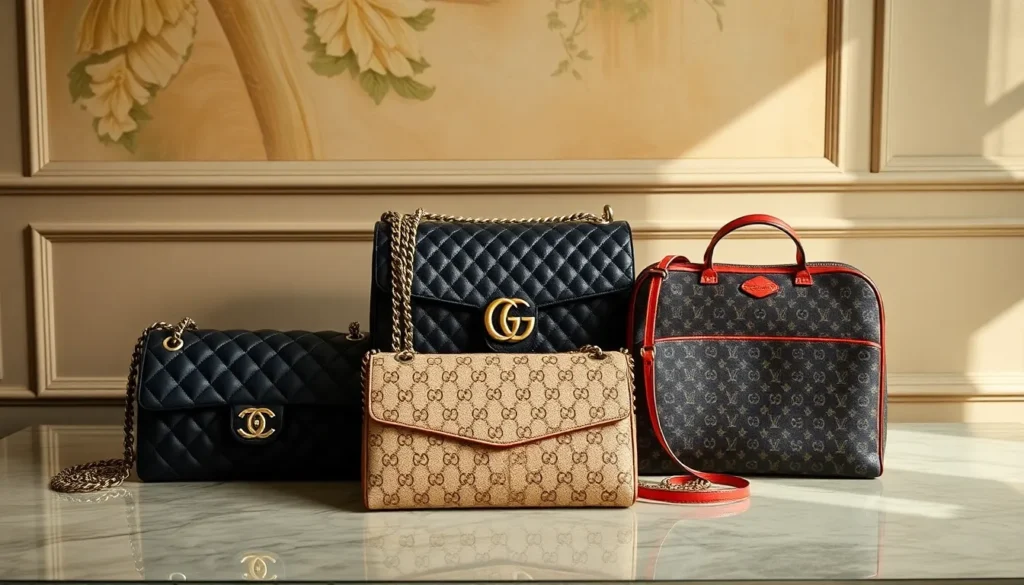

Designer bags reflect luxury and artistry. Numerous brands stand out in this competitive market, each offering unique styles and craftsmanship.
Brand A
Chanel embodies elegance with its classic designs. The iconic Chanel 2.55 flap bag, introduced in 1955, remains a timeless favorite. Crafted with high-quality materials, its craftsmanship is unparalleled. Chanel bags often feature the signature quilted texture and interlocking CC logo. Prices for these coveted bags typically start around $5,000, making them a significant investment. Many fashion enthusiasts view Chanel as a symbol of status and sophistication, enhancing every outfit worn.
Brand B
Gucci captures attention with bold aesthetics and vibrant patterns. The GG Marmont line, known for its chevron pattern, combines casual style with luxury feel. Gucci bags often showcase their distinctive green and red stripe, a hallmark of the brand. Prices in the Gucci collection generally range from $1,200 to $3,000, appealing to diverse budgets. Renowned for innovative designs, Gucci embraces contemporary trends while honoring its rich heritage.
Brand C
Louis Vuitton stands as a paragon of exclusivity and craftsmanship. The Speedy bag, initially designed in the 1930s, showcases the brand’s commitment to functionality and style. Many bags feature the iconic LV monogram, recognized worldwide. Prices for Louis Vuitton bags typically begin around $1,500, reflecting their luxury status. With a reputation for durability, Louis Vuitton remains a top choice among discerning fashion lovers.
Factors to Consider When Buying Designer Bags
Purchasing a designer bag involves multiple considerations that impact the overall experience and satisfaction.
Material Quality
Material quality significantly influences both appearance and durability. Leather, canvas, and suede are common choices in designer bags. Luxurious leathers provide a sophisticated look while remaining resilient. Canvas bags often offer lighter options that are easy to maintain. Suede adds a unique texture, giving bags an artisanal appeal. Understanding how materials hold up over time ensures that the investment remains worthwhile. Checking for authentic materials often aligns with brand standards.
Price Range
Price ranges for designer bags vary widely, reflecting brand prestige and craftsmanship. Entry-level designer bags can start around $1,200, like Gucci’s offerings. Mid-range options generally fall between $2,500 and $5,000, with Chanel and Louis Vuitton showcasing various styles. Rare or limited-edition pieces easily exceed tens of thousands. Buyers often focus on how price correlates with quality and exclusivity.
Brand Reputation
Brand reputation plays a vital role when choosing a designer bag. Renowned brands like Chanel, Gucci, and Louis Vuitton carry a legacy of quality and status. Their craftsmanship often enhances resale value, making luxury bags a more strategic investment. Researching customer reviews and brand history contributes to informed decision-making. Authenticity and trust in the brand become necessary for durability in the long run. Selecting a respected brand often means prioritizing quality over lesser-known options.
Trends in Designer Bags
Designer bags constantly evolve, influenced by various factors, including seasonal trends and celebrity endorsements. Staying updated on these trends enhances the appeal of such stylish accessories.
Seasonal Trends
Spring and summer collections often showcase vibrant colors and lightweight materials. Trends frequently change, introducing pastel hues and floral patterns that dominate styles during warmer months. Fall and winter, on the other hand, bring deeper shades like burgundy and forest green, along with heavier fabrics such as leather and wool. Seasonal styles provide ample opportunity for brands to experiment, from oversized silhouettes to structured designs. Accessories also play a crucial role, with statement straps and unique hardware gaining traction each season.
Celebrity Influences
Celebrities significantly shape designer bag trends through their public appearances and social media presence. Iconic figures like Rihanna and Zendaya often sport exclusive and limited-edition pieces, igniting demand among fans. Red carpet events frequently showcase stunning bags from luxury brands, garnering attention and sparking interest. Influencers also impact preferences through collaborations, introducing unique designs that cater to broad audiences. The synergy between celebrity culture and fashion highlights how designer bags become prized possessions, reflecting personal style and status.
Care and Maintenance of Designer Bags
Caring for designer bags ensures their longevity and maintains their aesthetic appeal. Start by storing bags in their original dust bags or boxes when not in use. This protects them from dust, light, and potential damage.
Cleaning should occur regularly, depending on use. Use a soft, damp cloth to wipe away dirt and stains. Leather bags benefit from specialized leather cleaners, while canvas bags may require mild soap and water.
For leather bags, conditioning is crucial. Apply a leather conditioner every six months to prevent drying and cracking. Waterproofing sprays offer additional protection against moisture.
Avoid overloading bags, as this can distort their shape. Use interior pouches to keep personal items organized. Inspect the bag periodically for signs of wear, such as fraying straps or loose stitches.
When traveling, utilize bag protectors or packing materials to maintain structure. Sunlight exposure fades colors, so avoid leaving bags in direct sunlight for extended periods.
If stains occur, consult a professional cleaner, especially for delicate materials. Handling bags with clean hands prevents oils and dirt from transferring onto surfaces.
Resale value often depends on condition, so performing regular maintenance enhances long-term investment value. Timely repairs prevent further damage and can maximize resale opportunities.
These simple steps contribute to the upkeep of designer bags, allowing owners to enjoy their luxury pieces for years.
Designer bags are more than just fashion accessories; they embody luxury and personal expression. Investing in a quality designer bag can elevate one’s wardrobe and provide a sense of confidence that transcends trends. With a variety of styles and brands available, there’s something for everyone looking to make a statement.
As the market evolves, sustainability and craftsmanship remain crucial factors in choosing the perfect bag. By caring for these treasured pieces, owners can ensure they maintain their beauty and value over time. Whether it’s a classic Chanel or a bold Gucci, a designer bag is a worthwhile investment that reflects individuality and style.