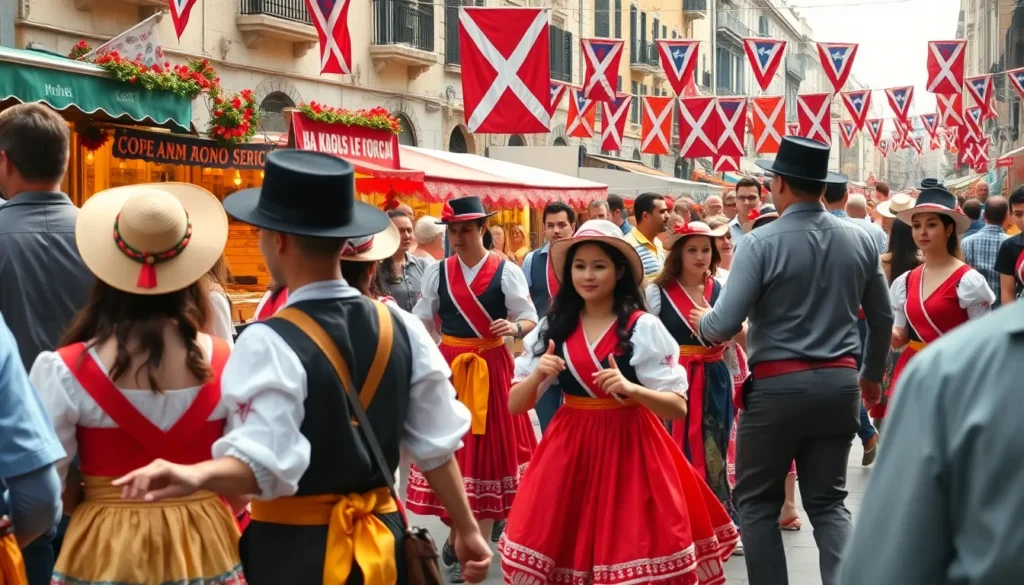
In the vibrant tapestry of modern politics, few groups spark as much intrigue as the basqueserpartists. These passionate individuals blend tradition with a dash of rebellion, capturing the essence of a culture that refuses to be ignored. Imagine a cocktail of fervent nationalism, cultural pride, and a sprinkle of humor—this is the unique flavor that basqueserpartists bring to the table.
Overview of Basqueserpartists
Basqueserpartists represent a unique coalition that blends national identity with artistic expression. This group seeks to elevate Basque culture while humorously critiquing political structures. They emerge from a rich historical context rooted in a desire for autonomy and recognition within Spain and France.
Traditional customs inform their creative output. Food, music, and dance play crucial roles in their identity, reflecting deep-seated cultural values. Members often engage in festivals that highlight Basque heritage, fostering a sense of unity among participants. Events such as the Aste Nagusia in Bilbao showcase this vibrant tradition, attracting thousands.
Political aspirations characterize the group’s objectives. Advocating for greater autonomy, Basqueserpartists aim to influence regional policies and promote their culture on a broader stage. Their humor serves as a vehicle for outreach, allowing their messages to resonate with a wider audience.
Artistic endeavors also play a significant role. Street art, music, and performance often convey their perspectives on social issues. By using various platforms, they attract attention to their cause, further enriching the cultural landscape.
The community unifies around shared experiences and values. They prioritize collaboration among artists, activists, and citizens, ensuring that their cultural expressions remain relevant. This synergy amplifies their impact, contributing to a growing recognition of the Basque identity.
Historical Context
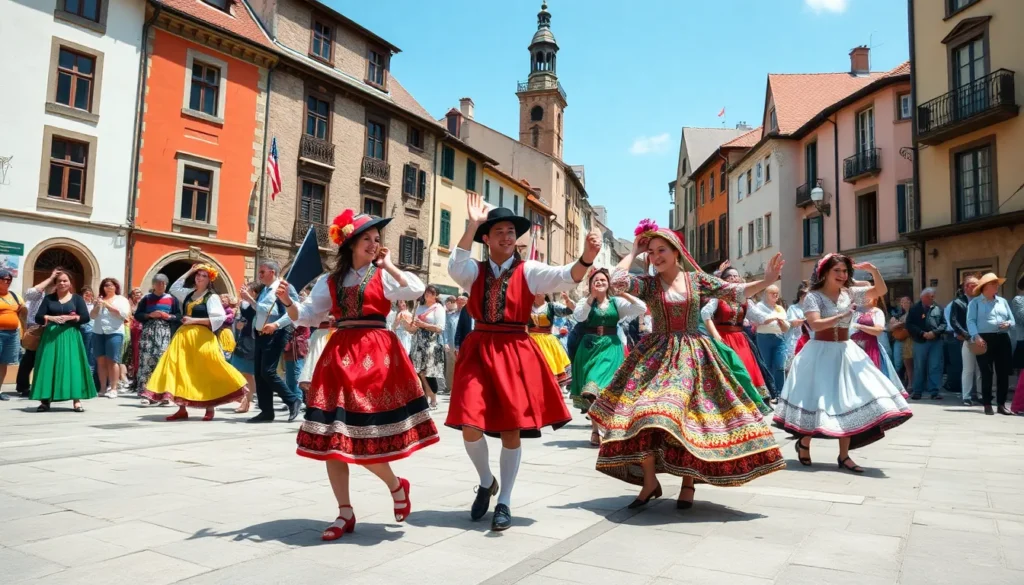
Basqueserpartists arise from a deep historical framework tied to the Basque regions of Spain and France. Their identity reflects a distinct narrative of resistance and pride shaped over centuries.
Origins of Basqueserpartists
Cultural autonomy drives the origins of Basqueserpartists. They emerged during the late 20th century amidst political shifts advocating for Basque independence. Influenced by various social movements, these individuals integrated local traditions with contemporary artistic expressions. Festivals and public events amplified their cause and provided a platform for showcasing unique Basque customs. The combination of nationalism and humor creates a distinctive identity that resonates with both locals and outsiders.
Key Figures in the Movement
Notable figures symbolize the Basqueserpartist movement. Artists like Ruper Ordorika and performers such as the group Aitor Goikoetxea embody the fusion of art and activism. These individuals elevate the cultural narrative through music, theater, and visual art. Their efforts highlight social issues while promoting Basque identity. Other prominent activists advocate for political representation, ensuring the voices of the Basque people echo in broader discussions. Each figure contributes to a diverse landscape, shaping the movement’s message and impact.
Characteristics of Basqueserpartists
Basqueserpartists embody a dynamic culture rich with tradition and artistic flair, reflecting their unique identity and values. Their cultural expressions capture the essence of Basque nationalism while blending humor and critique.
Artistic Style and Themes
Artistic styles among basqueserpartists often showcase vibrant colors and eclectic motifs. Street murals, performances, and music frequently incorporate themes of resistance, identity, and social commentary. A playful yet thought-provoking approach enables artists to challenge the status quo and advocate for cultural recognition. Symbols from Basque heritage appear throughout their art, connecting contemporary issues to historical narratives. Performances engage audiences with a mix of tradition and modernity, further emphasizing their cultural pride.
Influence on Modern Art
Basqueserpartists significantly influence modern art by integrating their cultural narratives into broader artistic movements. Collaborative projects with other artists extend their reach, creating a network that amplifies their message. Their work inspires adaptations in various forms, like installations and multimedia presentations. Many contemporary artists draw inspiration from the basqueserpartist movement, fostering a unique intersection of styles and perspectives. This cultural synergy cultivates greater awareness of Basque issues, linking traditional arts to modern expressions in provocative and meaningful ways.
Current Trends in Basqueserpartism
Emerging trends in basqueserpartism highlight vibrant creative expressions and increased engagement within cultural movements.
Emerging Artists
Innovative individuals continuously reshape basqueserpartist art. For instance, new talents like painter Tania Garmendia and musician Xabi Solano bring fresh perspectives. Their works often feature bold imagery and reflective themes, celebrating Basque identity while challenging social norms. Street murals, performances, and music reflect contemporary issues, resonating with audiences locally and globally. Young creators frequently collaborate in workshops and cultural festivals, cultivating a sense of unity and shared purpose. Artists leverage social media platforms to reach a wider audience, increasing their visibility and fostering community interaction. Each contribution enhances the diverse artistic landscape, uniting tradition with modernity and captivating new generations.
Global Reception
Global audiences increasingly embrace basqueserpartism. Events like the International Basque Festival in New York showcase cultural expressions to an international stage, attracting enthusiasts from various backgrounds. Recognition from art critics and cultural scholars amplifies its significance, emphasizing the movement’s impact on modern art narratives. Collaborations with international artists expand the reach, introducing Basque themes to diverse artistic realms. Documentaries and features in art magazines further highlight the importance of this movement. Their humor and critique resonate beyond borders, inviting dialogue around nationalism, identity, and resistance. As audiences engage, basqueserpartism fosters greater awareness and appreciation for Basque culture, reinforcing its relevance in today’s global context.
Basqueserpartists continue to thrive at the intersection of culture and activism. Their vibrant expressions and commitment to Basque identity resonate deeply with audiences both locally and globally. By blending tradition with modern artistic forms they engage in meaningful dialogue about autonomy and social issues.
As their influence grows so does the recognition of their contributions to the broader cultural landscape. Emerging artists bring fresh perspectives while established figures maintain a rich legacy. The community’s unity and collaboration ensure that the spirit of basqueserpartism remains alive and relevant.
This dynamic movement not only celebrates Basque heritage but also invites everyone to reflect on the power of art in advocating for cultural recognition and social change.