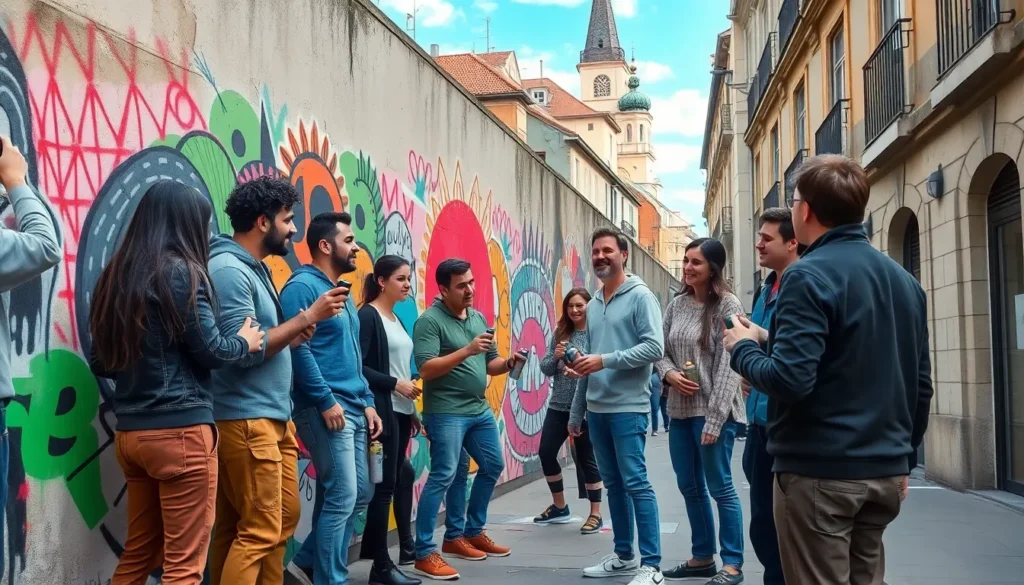
In the quirky world of art and expression, basqueserpartists stand out like a neon sign in a black-and-white movie. These creative geniuses blend traditional Basque culture with modern artistic flair, creating a captivating spectacle that’s hard to ignore. Imagine vibrant colors, intricate designs, and a sprinkle of humor that makes you chuckle while pondering life’s deeper meanings.
But what exactly is a basqueserpartist? They’re not your average artists; they’re cultural ambassadors armed with paintbrushes and a sense of adventure. Whether it’s through graffiti, sculptures, or performance art, they challenge norms and invite everyone to join in the fun. Dive into the fascinating realm of basqueserpartists, where art knows no boundaries and laughter is always part of the canvas.
Overview of Basqueserpartists
Basqueserpartists represent a dynamic fusion of traditional Basque culture and contemporary artistic expression. These artists stand out for their ability to blend various forms, including graffiti, sculpture, and performance art. Each work serves not just as a piece of art but as a commentary on societal norms, engaging the audience in meaningful dialogue.
By drawing on rich cultural heritage, they infuse their creations with humor and vibrancy. The powerful messages behind their art invite viewers to reflect on their surroundings and challenge established perspectives. Artists strive to make their presence felt through bold colors, innovative techniques, and thought-provoking themes.
Community involvement often drives the mission of basqueserpartists. They encourage participation from both local and international audiences, creating a shared experience that transcends cultural barriers. Streets and public spaces frequently transform into canvas for expression, capturing the attention of curious passersby and art enthusiasts alike.
Active in various mediums, they push the boundaries of what art can achieve. Performance pieces often blend music, dance, and visual art, resulting in immersive experiences that resonate deeply with participants. Collaborations among these artists further amplify their impact, leading to unique projects that celebrate the Basque identity while embracing contemporary trends.
As cultural ambassadors, basqueserpartists stimulate interest in Basque customs, language, and history. Their work educates viewers about these elements through engaging artistry. Each exhibit or performance fosters a sense of pride and connection to cultural roots, making their contributions vital to both the local community and the broader artistic landscape.
Historical Background
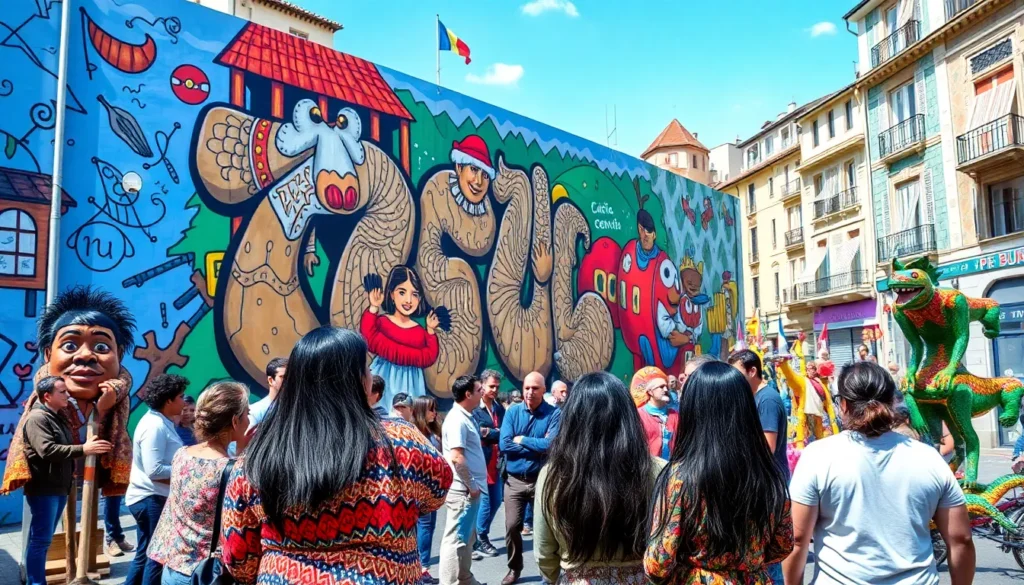
Basqueserpartists embody a rich cultural evolution that blends traditional Basque elements with modern artistic approaches.
Origin and Evolution
Origins trace back to the late 20th century when Basque society faced political, social, and cultural transformations. This period of change spurred a desire for artistic expression that reflected both heritage and contemporary issues. Early manifestations often included street art and performances that highlighted Basque identity and struggles. Over the years, influences from global trends catalyzed the evolution, leading to a diverse range of art forms and styles. Notable developments emerged in the 1990s, as artists began to forge collaborations that pushed creative boundaries. The movement gained momentum through community involvement, integrating local stories and cultural symbols, while fostering a dialogue on identity and heritage.
Key Figures in the Movement
Key figures play a significant role in shaping the basqueserpartist movement and its trajectory. Renowned artists such as Iñaki Garmendia and Ane Gorriz lead this cultural renaissance, each bringing a unique perspective to the art scene. Garmendia’s graffiti pieces often reflect social commentary intertwined with Basque folklore. Gorriz’s performances challenge societal norms while engaging audiences in thought-provoking ways. Additional influential artists include Izaskun Arana, whose sculptures merge contemporary style with traditional motifs, and Jon Martínez, who uses multimedia installations to explore cultural identity. Collectively, these figures contribute to the vibrant tapestry of basqueserpartism, encouraging dialogue and actively promoting the Basque heritage. Their works resonate, inspiring younger generations to embrace their cultural roots.
Cultural Significance
Basqueserpartists hold a crucial place in illustrating the rich cultural fabric of Basque society. Their artistic expressions significantly influence the creation of contemporary art and literature.
Influence on Art and Literature
Basqueserpartists contribute to a revitalization of traditional themes in modern art practices. They capture the essence of Basque folklore while integrating contemporary techniques to resonate with diverse audiences. Numerous artists within this movement often inspire writers, highlighting topics such as identity and social critique through compelling narratives. Known for vivid imagery, their creations spark conversations that extend into literary realms, bridging visual and textual storytelling.
Role in Society and Politics
Basqueserpartists actively engage with sociopolitical issues through their art. They address topics like cultural preservation and social justice, using public installations to amplify messages. Many artists view their work as a platform for activism, prompting discussions on Basque autonomy and cultural identity. Through performances and collaborative projects, they unite communities, fostering a sense of belonging and shared purpose. Bold and thought-provoking, their artistry challenges viewers, pushing for a deeper understanding of societal dynamics.
Current Trends and Practices
Contemporary basqueserpartists continue to reshape artistic landscapes by merging tradition with modernity. These artists emerge from diverse backgrounds and draw inspiration from their cultural roots. Notable figures such as Iñaki Garmendia explore social commentary through vibrant graffiti. Ane Gorriz captivates audiences with immersive performances that challenge societal expectations. Each artist adds a distinct voice, reflecting the evolving identity of the Basque community.
Contemporary Basqueserpartists
Many artists today incorporate multimedia techniques, ensuring their messages resonate widely. New generations embrace technology, enhancing traditional practices with innovative tools. For example, Izaskun Arana creates interactive installations that invite viewer participation. Jon Martínez blends music and visual art, offering dynamic experiences that celebrate Basque heritage. Cultural preservation remains central, as they engage both locals and global audiences.
Popular Works and Themes
Recurring themes in basqueserpartist works include identity, social justice, and cultural pride. Street art often features vivid imagery that questions societal norms. Public installations spark dialogue about Basque autonomy and heritage. Artists frequently evoke traditional folklore, emphasizing its relevance in contemporary discourse. Many examine social issues, pushing for deeper understanding and connection within communities.
Challenges Facing Basqueserpartists
Basqueserpartists encounter various challenges that impact their creative expressions and cultural missions.
Societal Perceptions
Societal perceptions significantly influence the reception of basqueserpartists. Many individuals view their work as provocative, questioning the boundaries of tradition and contemporary art. Misunderstandings can arise, leading to mixed reactions toward their artistry. Some critics perceive their use of humor as trivializing serious cultural issues, which can overshadow their intended messages. Artistas frequently navigate stereotypes about Basque culture while striving for authenticity. Engaging communities through dialogue is essential for fostering appreciation and respect for their artistic endeavors.
Legal and Political Hurdles
Legal and political hurdles present additional obstacles for basqueserpartists. Regulations regarding public art can limit their creative freedom, particularly concerning graffiti and street performances. Obtaining permits often becomes a complicated process influenced by local authorities. Political tension associated with Basque identity issues compounds these challenges. Artists sometimes find themselves facing censorship or backlash for expressing controversial viewpoints. Building supportive networks and alliances can help mitigate these constraints, enabling them to address sociopolitical themes through their work more effectively.
Basqueserpartists play a vital role in bridging the gap between traditional Basque culture and contemporary artistic expression. Their unique approach not only entertains but also provokes thought and dialogue about identity and societal issues. By engaging with their communities, these artists foster a sense of pride and connection to cultural roots while navigating the challenges of modern artistic landscapes.
Through their vibrant works, they inspire future generations to explore and embrace their heritage. As they continue to push artistic boundaries, basqueserpartists remain essential in shaping the cultural narrative of the Basque region and beyond. Their contributions are a testament to the power of art in advocating for social change and cultural preservation.