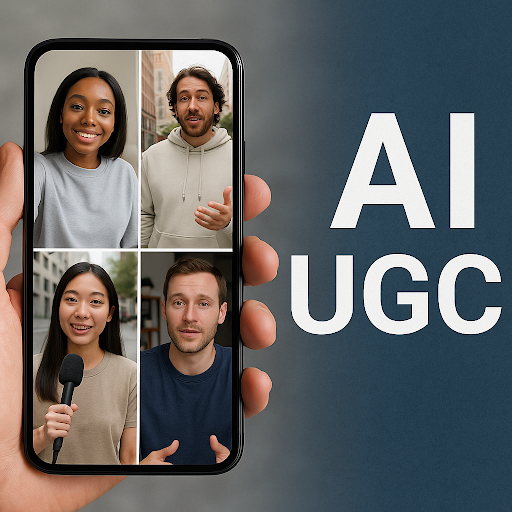
As a fashion brand working in the fast-moving casual wear space, you’re constantly seeking new ways to expand your reach and deepen your engagement with your audience. You know how important user-generated content (UGC) is in building social proof and authenticity, but did you know that AI-generated UGC can take this strategy even further?
By integrating AI tools into your marketing strategy, you’re not just saving time and cost; you’re enhancing cognitive performance and interaction on every platform your content touches. In a digital world where attention spans are short and scrolls are fast, AI-powered UGC can help you connect more deeply and frequently with potential customers in an authentic, scalable way.
The Rise of UGC and the Need for Scalable Authenticity
UGC has always played a vital role in fashion marketing. When your audience sees others wearing your casual wear styled in unique, everyday environments, it builds instant relatability. But organic UGC is hard to control. It’s inconsistent, unstructured, and not always aligned with your branding needs.
That’s where AI comes in.
AI-generated UGC combines the human-like relatability of traditional content with the scale and consistency of automation. For casual wear brands like yours, this opens up new opportunities: imagine being able to launch five different testimonial-style ads in a single afternoon, each tailored to different customer segments, languages, and locations, all while staying on brand.
Styles of AI-Generated UGC That Work for Fashion
You can create a wide range of content formats using AI tools, each designed to simulate the feel of authentic user interaction:
- Selfie-style try-ons that show off how your hoodie or t-shirt looks on different skin tones and body types.
- Walk-and-talk videos filmed in urban, natural, or indoor environments to mimic everyday user perspectives.
- Street-style interviews where virtual users share why they love your brand’s fit, fabric, or statement pieces.
- Podcast-style clips that dive deeper into fashion choices, brand values, or the sustainable materials you’re using.
- Testimonial-style ads featuring multiple AI-generated actors discussing your brand’s quality, comfort, and style appeal.
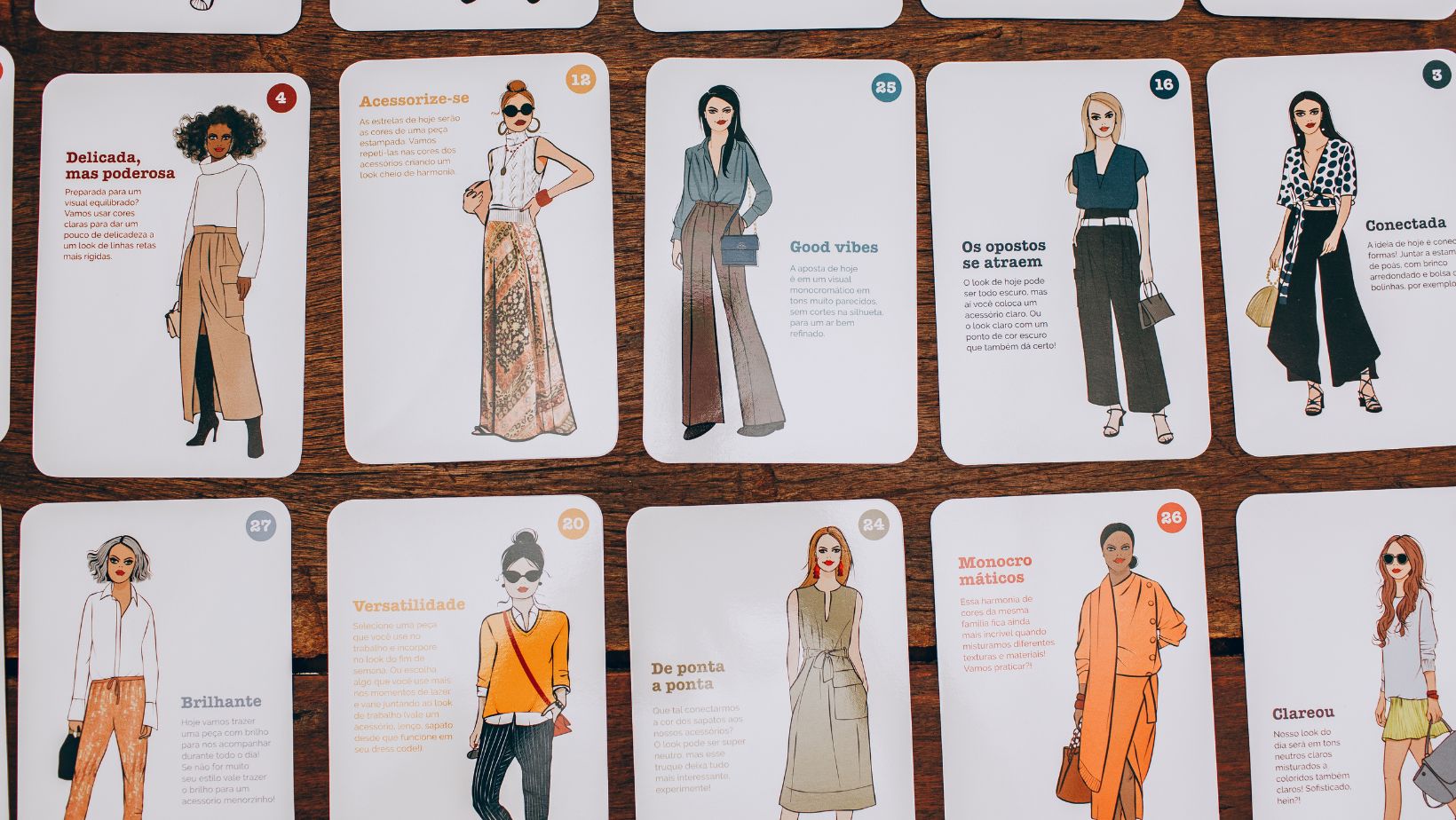
Each of these formats taps into user interaction psychology, viewers feel like they’re watching real people rather than scripted ads, which boosts both engagement and trust.
Enhancing Interaction and Cognitive Response
When users engage with this kind of realistic, user-like content, their cognitive response mirrors that of genuine peer recommendation. This response is driven by mirror neurons, the same neurological system activated when people empathize or identify with others.
In short, when your audience sees someone “like them” wearing your clothing and speaking honestly about it, they’re more likely to feel a personal connection to your brand.
Even better, when this content is delivered consistently, across Instagram Reels, TikTok, YouTube Shorts, or website embeds, it trains your audience to expect engaging, trustworthy content from your brand, ultimately improving memory retention and conversion rates.
Leveraging AI UGC at Scale
It is important to consider scalability at the mid-stage of campaign preparation. That’s where AI UGC, particularly through platforms like invideo AI, can provide real leverage. With invideo AI, you can generate realistic user-style videos using various workflows and customizable voices, styles, and personalities that fit your brand’s aesthetic.
Let’s say you’re launching a new casual wear collection focused on summer linen looks. Instead of waiting weeks for real customers to submit UGC, you can use AI to generate walk-and-talk testimonials, beachside try-ons, or even interview-style explainer videos, all in under an hour.
This not only saves time but also gives you creative control, consistency, and variety across different ad platforms and customer journeys. You can test which video styles resonate better, selfie versus testimonial, solo actor versus group, and iterate quickly based on viewer feedback.
And when you combine this approach with the right AI video apps, you gain access to tools that help with editing, captioning, music integration, and even multilingual voiceovers, making your content feel more inclusive and adaptable for diverse audience segments.
A Seamless Blend of Realism and Strategy
What makes this approach powerful is the blend of realism with strategic messaging. AI-generated UGC doesn’t replace your organic customer content; it complements it. You can create video stories that feel spontaneous but are crafted with clear brand intent.
You’re not just filling a content calendar, you’re telling brand-aligned stories in the voices your audience wants to hear.
Do you want to use a streetwear tone to appeal to Gen Z? Launch an AI user-generated content video in the “reaction” style, in which a simulated user casually and slang-richly narrates your newest drop. Aiming for a more mature demographic? Use a clean, well-lit testimonial from an AI character styled in your minimalist pieces.
All of this, built around your goals from awareness to conversion, makes your fashion marketing not only smarter but also more relatable.
Final Thoughts
In the fast-evolving world of fashion and apparel, finding the right balance between scale and authenticity is key. By integrating AI UGC into your strategy, you create a bridge between creativity and efficiency, realism and reach.
As a casual wear brand, your goal is to make your audience feel seen, heard, and inspired to express themselves through your products. AI UGC helps you do just that faster, smarter, and with more precision than ever before.
By embracing this future-forward content method, you’re not just keeping up with the digital shift; you’re shaping how your audience experiences fashion today and tomorrow.