For generations, the diamond has stood as the quintessential symbol of commitment, celebration, and enduring elegance. Yet, the pursuit of perfection in a diamond has always been intertwined with questions of rarity, cost, and origin. Today, a seismic shift is redefining what it means to own a truly exceptional stone: the ascent of the lab grown diamond. These are not substitutes; they are diamonds, born of technology, offering impeccable quality and undeniable value to discerning individuals seeking the very best.
The modern consumer demands transparency, brilliance, and a purchasing experience that aligns with a sophisticated worldview. They seek jewellery that speaks to their taste for luxury without compromising their desire for high quality and clarity. This convergence of ethical consideration and the relentless pursuit of perfection is why the finest lab grown specimens have moved from a niche market curiosity to a cornerstone of contemporary high jewellery. They represent the ultimate triumph of human ingenuity, replicating nature’s deep, ancient process in a controlled, precise environment to produce gems of stunning purity.
It is a conversation focused entirely on quality, value, and verifiable brilliance. For anyone in the market for a high-carat, visually flawless diamond, whether for an engagement ring, a milestone anniversary, or a timeless fashion piece, understanding the sheer quality available in the lab grown sector is no longer optional; it is essential for making a genuinely informed luxury choice.
Identical by Design: Unpacking the Diamond’s Purity
To appreciate the high quality of a modern lab grown stone, we must first dispel any lingering myths. A lab grown diamond is not a diamond simulant. It is chemically, physically, and optically identical to a diamond mined from the earth. Both are composed of pure, crystalline carbon, boasting the same Mohs hardness rating of 10 and exhibiting the same unparalleled sparkle, fire, and scintillation that makes a diamond unique. The only difference is the genesis story: one takes billions of years and geologic forces; the other takes weeks in a high-tech laboratory.
The science behind this process is meticulously controlled, typically employing one of two sophisticated methods: High Pressure/High Temperature (HPHT) or Chemical Vapour Deposition (CVD). These environments are far more pristine and controlled than the chaotic conditions deep within the earth’s mantle. This precision is key to quality. Because the growth environment is constantly monitored and optimised, lab grown diamonds often achieve a purity and consistency that is rare in their natural counterparts. Many are classified as Type IIa diamonds, a category that includes only about 1-2% of all natural diamonds and denotes chemically pure stones with virtually no nitrogen impurities.
This technical superiority translates directly into visual brilliance. For the high-quality buyer, this means being able to access stones with exceptional clarity and colour grades, often achieving D, E, or F colour (colourless) and VVS or VS clarity, without the historical price premium commanded by equivalent mined diamonds. For those seeking the very best in terms of the diamond’s inherent characteristics, the consistency and purity offered by modern technology are truly transformative. To explore a curated selection of truly high-quality stones and understand the technical specifications that define excellence in these contemporary creations, you can view collections of lab grown diamonds at leading jewellers.
The High-Carat Equation: Value Meets Quality
One of the most compelling aspects of the lab grown revolution for high-end buyers is the remarkable way it rebalances the carat-to-quality ratio. Traditionally, a consumer purchasing a diamond had to navigate a painful compromise: increase the carat weight and sacrifice clarity and colour, or pursue absolute flawless quality and accept a smaller stone. Lab grown diamonds decisively resolve this equation.
The more streamlined supply chain, which eliminates many of the complex, costly, and resource-intensive steps associated with extraction and trade, results in a more efficient production cost. This efficiency is passed on to the consumer, allowing them to allocate their budget towards the stone itself, rather than the embedded costs of a lengthy supply chain. For those seeking a substantial, statement-making piece, a two, three, or even five-carat stone, this is a paradigm shift.
It means the ambitious buyer can acquire a diamond that is significantly larger and objectively higher quality (in terms of the 4Cs: Cut, Colour, Clarity, and Carat) for the same investment they would make in a smaller, lower-grade mined stone. In essence, lab grown technology allows a high-quality consumer to achieve their dream diamond size and purity simultaneously. It shifts the luxury focus away from mere scarcity, which is an artificial constraint, and firmly onto the tangible attributes of beauty and excellence. For the individual who wants the maximum possible visual impact and technical perfection for their budget, the value proposition here is simply unmatched.
Certification and Trust: The Verifiable Difference
When investing in a high-quality diamond, trust and verification are paramount. Thankfully, the standards applied to lab grown diamonds are exactly the same as those for mined diamonds.
Every premium lab grown stone comes with a certification from internationally respected gemmological institutions such as the International Gemological Institute (IGI) or the Gemological Institute of America (GIA). These reports grade the stone using the same meticulous 4Cs criteria, providing the buyer with the exact specifications on the stone’s cut, carat weight, colour, and clarity. The only key difference on the certificate is the disclosure that the diamond is “Laboratory Grown”. This ensures complete transparency.
Furthermore, the very nature of laboratory production guarantees impeccable traceability and provenance. Unlike some natural diamonds whose origins can be complex, a lab grown diamond has a clear, documented chain of custody from the moment the carbon seed is placed in the growth chamber. This full transparency is a profound luxury in itself, providing absolute certainty about the stone’s journey and ethical sourcing. Indeed, reputable institutions like the IGI now issue millions of reports annually for lab grown diamonds, offering the same level of unbiased and objective assessment as they do for mined stones. This clarity is deeply valued by today’s consumers who want their significant purchases to reflect integrity as much as they reflect quality.
The Ethical and Modern Appeal
For many high-quality buyers, luxury is increasingly defined by conscientious consumption. The modern narrative around fine jewellery is shifting away from environmental impact and towards sustainable innovation. Choosing a lab grown diamond is a direct affirmation of these values.
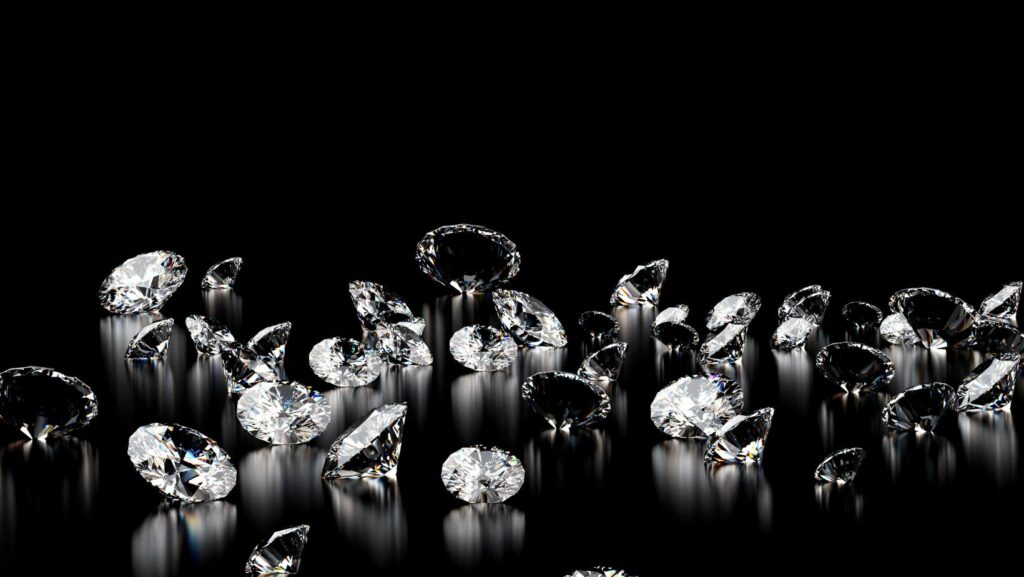
The manufacturing of lab grown diamonds requires substantially fewer resources than traditional mining, which involves large-scale land disruption, extensive water usage, and high energy consumption for excavation. While the lab process is energy-intensive, many producers are now powering their facilities with 100% renewable energy, pushing the carbon footprint of their diamonds down significantly and offering a demonstrably sustainable choice. This alignment of technical quality with environmental stewardship is a huge factor for individuals who want their high-end purchases to feel as good as they look.
Moreover, the availability of these highly controlled, pristine diamonds has inspired a new wave of bespoke and creative jewellery design. Designers now have access to consistently high-quality material in a range of cuts and even rare fancy colours, allowing for the creation of truly unique, personalised, and complex pieces that define modern luxury.
Ultimately, the choice of a high-quality lab grown diamond is the choice of a discerning individual who values scientific precision, ethical responsibility, and the maximum possible brilliance and size for their investment. It is a rejection of old-world limitations and an embrace of the future of fine jewellery: a future defined by uncompromising quality and clear conscience.