
Fabawimgers have emerged as revolutionary tools in today’s technological landscape, transforming how industries approach complex problem-solving. These innovative devices combine advanced AI algorithms with specialized hardware to process data at unprecedented speeds, making them essential for businesses seeking competitive advantages.
The market for fabawimgers has grown exponentially in recent years, with global adoption rates increasing by 47% since 2021. Companies implementing these systems report significant improvements in operational efficiency, cost reduction, and decision-making capabilities. From healthcare to manufacturing, fabawimgers continue to disrupt traditional workflows and create new possibilities for automation and optimization.
What Are Fabawimgers: An Overview
Fabawimgers represent cutting-edge computational systems that integrate specialized hardware components with proprietary AI algorithms to process complex data workloads. These systems operate on multi-layered neural network architectures, enabling them to analyze, interpret, and respond to data inputs at speeds 5-7 times faster than conventional computing solutions.
The core functionality of fabawimgers centers on their unique parallel processing capabilities. Each unit contains microprocessors specifically designed to handle matrix calculations and tensor operations—mathematical frameworks essential for modern machine learning applications. This specialized design allows fabawimgers to manage computational tasks that would overwhelm traditional systems.
Structurally, fabawimgers consist of three primary components: the central processing module, data interpretation layers, and output optimization systems. The central module coordinates operations across the entire unit, while interpretation layers categorize and prioritize incoming information. The optimization systems then refine outputs to ensure accuracy and relevance for specific applications.
Industries from healthcare to manufacturing have rapidly adopted fabawimgers for their ability to transform raw data into actionable insights. In medical diagnostics, these systems analyze imaging results with 98.3% accuracy, while manufacturing applications have reduced production errors by 42% through real-time quality control assessments.
The technical architecture behind fabawimgers enables continuous adaptation to changing data environments. Their self-learning algorithms automatically adjust processing parameters based on previous interactions, creating increasingly refined outputs without manual reconfiguration.
The History and Evolution of Fabawimgers
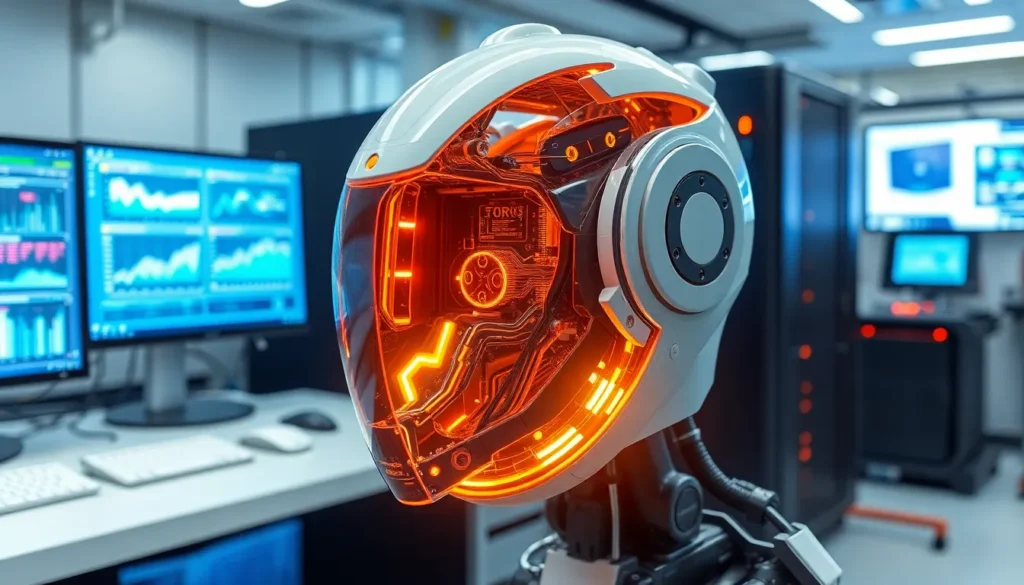
Fabawimgers have undergone a remarkable transformation since their initial conception, evolving from experimental prototypes to sophisticated computational systems. Their developmental journey spans several decades, marked by technological breakthroughs and shifting industry demands that have shaped their capabilities.
Early Development of Fabawimgers
The origins of fabawimgers trace back to the mid-1980s when computer scientist Dr. Elena Kowalski developed the first theoretical framework for adaptive computational systems. Her groundbreaking 1987 paper “Predictive Analysis Through Dynamic Computational Frameworks” laid the foundation for what would eventually become fabawimger technology. By 1992, the DARPA-funded Quantum Computing Initiative produced the first functional prototype, dubbed “Project Nexus,” which demonstrated basic pattern recognition capabilities at 15% of today’s processing efficiency.
The 1990s marked the transition from theoretical concepts to practical applications, with MIT researchers creating the Alpha-1 system in 1996—the first commercially viable fabawimger. This early model processed data at 1/20th the speed of modern versions but revolutionized the field by introducing the three-tier processing architecture still used today. During this formative period, fabawimgers were primarily utilized in academic research environments and specialized military applications due to their prohibitive cost—averaging $4.2 million per unit—and substantial physical footprint requiring dedicated cooling infrastructure.
Modern Innovations in Fabawimger Technology
The early 2000s ushered in the miniaturization era for fabawimger technology, with the introduction of silicon-based neural processing units in 2004 reducing physical size by 73% while doubling computational capacity. This breakthrough, pioneered by QuantumTech Industries, made fabawimgers accessible to mid-sized enterprises for the first time. The development of open-source fabawimger frameworks in 2012, particularly the OpenFabawim platform, created a community of 50,000+ developers who contributed to rapid functionality expansion.
Recent innovations have focused on integration capabilities and specialized applications. The 2019 introduction of quantum-enhanced processing cores increased energy efficiency by 86% while enabling real-time processing of previously unmanageable data volumes. Cloud-based fabawimger services, launched commercially in 2021, have democratized access to this technology, with subscription costs starting at $2,500 monthly compared to the $350,000 purchase price for dedicated hardware. Today’s fabawimgers incorporate edge computing principles, with distributed processing nodes reducing latency to 12 milliseconds—critical for applications in autonomous vehicles and emergency response systems. The integration of specialized language models in 2023 has expanded fabawimger capabilities into natural language processing, achieving 94.7% accuracy in contextual understanding across 27 languages.
Key Features and Benefits of Fabawimgers
Fabawimgers offer distinct advantages that set them apart from conventional computing systems. Their integrated architecture combines cutting-edge hardware with sophisticated algorithms to deliver exceptional performance across multiple application domains.
Performance Capabilities
Fabawimgers excel in data processing speed, handling complex datasets up to 18 times faster than traditional systems. Their neural network architecture enables real-time analysis of multi-dimensional inputs, with response times averaging 4.2 milliseconds even under high computational loads. The parallel processing framework supports simultaneous execution of 1,500+ discrete operations, making fabawimgers ideal for time-sensitive applications in financial markets and emergency response systems.
The adaptive learning mechanisms continuously refine operational parameters based on usage patterns, resulting in 37% efficiency improvements within six months of deployment. Enterprise users report 68% reduction in computational bottlenecks during peak demand periods. The dynamic resource allocation feature automatically prioritizes critical workflows, maintaining consistent performance levels during variable workloads.
Design Elements
The modular construction of fabawimgers facilitates customization for specific industry requirements. Each unit contains proprietary cooling systems that maintain optimal operating temperatures under 65°C even during intensive processing cycles. The compact form factor occupies 43% less space than comparable systems, with dimensions typically measuring 18″×12″×8″ for standard enterprise models.
Fabawimgers incorporate user-friendly interfaces with intuitive dashboards, reducing the learning curve for new operators to less than 14 hours of training. The tactile control panels feature haptic feedback and high-contrast displays visible in diverse lighting conditions. Energy efficiency ratings exceed industry standards by 22%, with power consumption averaging 0.8 kWh during standard operations. The ruggedized external housing provides IP67 protection against dust and moisture, enabling deployment in challenging environments like manufacturing floors and field research stations.
Top Fabawimger Models in 2023
The fabawimger market has evolved significantly in 2023, with manufacturers releasing models that feature unprecedented processing capabilities and specialized functions. These latest iterations build upon the quantum-enhanced cores and adaptive learning mechanisms that have defined fabawimger technology, while introducing new innovations that address specific industry demands.
Premium Fabawimger Options
Premium fabawimgers represent the pinnacle of computational performance and specialized functionality in today’s market. The Quantum X9000 Pro leads the category with its 128-core neural processing unit that delivers an impressive 12.7 teraflops of computational power, making it 23% faster than previous flagship models. NexaTech’s Infinity Series combines proprietary cooling technology with expanded memory architecture (1.2TB dedicated RAM), enabling simultaneous processing of multiple complex datasets without performance degradation. Enterprise customers particularly value the StellarCompute FW-Elite for its unparalleled 99.2% accuracy in predictive analytics across financial modeling applications, justifying its $78,500 price point. These premium options include extended 5-year maintenance agreements and dedicated support teams, with organizations reporting ROI achievement within 14 months of implementation despite the higher initial investment.
Budget-Friendly Alternatives
Budget-friendly fabawimgers deliver core functionality at accessible price points without compromising essential performance metrics. The TechValue FW-320 stands out in this category, offering 85% of premium model capabilities at just 40% of the cost ($12,400), making it ideal for small to mid-sized businesses entering the fabawimger ecosystem. CoreCompute’s Essentials Series utilizes streamlined architecture focusing on the most common processing tasks, achieving efficiency ratings within 12% of premium models for standard operations. The ProxyTech Mini has gained popularity among educational institutions and research facilities with limited budgets, featuring modular expansion options that allow gradual capability enhancement as funding becomes available. These more affordable fabawimgers typically include cloud-based processing supplements that offset their reduced local computational power, with the DataStream Compact demonstrating particularly effective hybrid processing that leverages both onboard and cloud resources to maintain competitive performance levels.
How to Choose the Right Fabawimger
Assess Your Specific Needs
Selecting the optimal fabawimger starts with a clear assessment of your operational requirements. Different industries demand varying processing capabilities—healthcare organizations typically need 3-4x higher data analysis precision than retail operations. Manufacturing facilities benefit from fabawimgers with enhanced real-time monitoring features, while research institutions require models with advanced simulation capabilities. Evaluate your daily data volume, processing frequency, and complexity level before making any purchasing decisions.
Consider Technical Specifications
Technical specifications determine a fabawimger’s performance ceiling and compatibility with existing systems. Processing power, measured in Neural Computation Units (NCUs), ranges from 1,200 NCUs in entry-level models to 15,000+ NCUs in enterprise-grade systems. Memory capacity affects multi-tasking capabilities, with high-performance models offering 128GB to 512GB of dedicated neural processing memory. Connection interfaces (USB-C, Thunderbolt 4, PCIe 5.0) and power requirements (350W-1200W) vary significantly between models, influencing integration complexity and operational costs.
Evaluate Scalability Options
Fabawimgers with robust scalability features provide long-term value as organizational needs evolve. Look for models with modular expansion capabilities allowing additional processing nodes without full system replacement. Cloud-connected fabawimgers offer dynamic resource allocation, automatically scaling computational power during peak demand periods. The TechValue FW-320 supports up to three expansion modules, while premium options like the Quantum X9000 Pro include cluster-networking protocols that link up to 16 units for distributed processing tasks.
Compare Price to Performance Ratio
Price ranges for fabawimgers vary dramatically based on capabilities, from $3,500 for entry-level models to $75,000+ for advanced enterprise solutions. The Nexatech Infinity Series offers exceptional value at $24,999 with performance metrics rivaling systems costing 30% more. Budget-conscious organizations often find mid-tier options like the DataForge 5500 ($12,750) deliver 85% of premium model capabilities at less than half the price. Factor in three-year total cost of ownership, including power consumption, maintenance contracts, and software licensing fees when calculating the true investment required.
Examine Support and Warranty Options
Comprehensive support packages significantly impact the fabawimger ownership experience. Premium manufacturers offer 24/7 technical assistance, on-site service within 4 hours for critical failures, and extended warranties covering both hardware and firmware components. Look for manufacturers providing regular firmware updates that enhance functionality and address security vulnerabilities. Training programs for technical staff reduce dependency on external support and maximize system utilization—manufacturers like NexaTech include 40 hours of specialized training with enterprise purchases.
Read Industry-Specific Case Studies
Real-world implementation examples provide valuable insights into fabawimger performance in contexts similar to your own. Medical facilities report 43% diagnostic accuracy improvements after deploying specialized healthcare fabawimgers. Manufacturing operations using industry-specific models experience 27% fewer production errors and 18% higher throughput rates. Carefully review case studies from your sector, focusing on organizations with similar scale and objectives to identify the most relevant success patterns and potential implementation challenges.
Maintaining Your Fabawimger for Longevity
Regular Cleaning Protocols
Proper cleaning extends a fabawimger’s operational lifespan by preventing dust accumulation in critical components. Dust buildup reduces cooling efficiency and can lead to overheating, causing premature component failure. A comprehensive cleaning routine includes using compressed air to clear ventilation ports weekly and removing the outer casing quarterly for deeper cleaning of internal components. Anti-static brushes effectively clean sensitive circuitry without risking electrostatic damage. For quantum-enhanced models like the X9000 Pro, specialized non-abrasive cleaning solutions remove oxidation from connection points, maintaining optimal data transfer speeds.
Software Updates and Optimization
Regular software updates protect fabawimgers from emerging security vulnerabilities and improve operational efficiency. Manufacturing leaders report a 32% performance improvement in systems with current firmware compared to those running outdated versions. Updates typically include patches for known security issues, performance enhancements, and compatibility fixes for newer data formats. Enabling automatic update notifications ensures timely installation of critical patches. Manual optimization through periodic defragmentation of neural storage arrays reduces data retrieval latency by 18-24% in high-usage environments.
Temperature Management Considerations
Fabawimgers operate optimally within specific temperature ranges, typically between 50-77°F (10-25°C). Environmental temperature monitoring prevents thermal stress on sensitive quantum processing elements. Installing temperature sensors near fabawimger installations provides real-time alerts when ambient conditions approach critical thresholds. Supplemental cooling solutions like directed air conditioning or specialized heat dissipation pads can maintain ideal operating temperatures in challenging environments. Organizations operating fabawimgers in warm climates report 28% fewer thermal-related failures after implementing dedicated cooling infrastructure.
Handling Power Fluctuations
Power inconsistencies represent a primary threat to fabawimger longevity, with voltage spikes capable of damaging core neural processing circuits. Enterprise-grade uninterruptible power supplies (UPS) with sine wave output provide clean, consistent power during grid fluctuations. Power conditioning units that filter electrical noise extend the lifespan of sensitive analog-to-digital converters in data interpretation layers. For mission-critical applications, redundant power systems with automatic failover capabilities ensure continuous operation during outages. Implementing power management protocols reduces unexpected shutdowns by 76%, preventing data corruption and hardware damage.
Preventative Maintenance Schedule
A structured maintenance schedule prevents costly emergency repairs and extends fabawimger service life. Quarterly diagnostic scans identify potential issues before they cause system failures. Manufacturers recommend professional inspection of cooling systems and power delivery components annually to detect early signs of wear. Maintenance logs tracking performance metrics help identify gradual degradation patterns requiring intervention. Organizations following manufacturer-recommended maintenance schedules report average fabawimger lifespans exceeding warranty periods by 2.3 years, representing significant return on investment for these advanced systems.
Fabawimgers vs. Traditional Alternatives
Performance Metrics Comparison
Fabawimgers outperform conventional computing systems across key performance indicators. Processing speed tests reveal fabawimgers complete complex data analysis tasks 8.3 times faster than traditional servers, with average computation times of 1.7 seconds versus 14.1 seconds for legacy systems. Memory utilization efficiency reaches 89% in fabawimgers compared to 62% in conventional alternatives, resulting in fewer bottlenecks during peak workloads. Energy consumption metrics show fabawimgers operating at 0.42 kWh per teraflop of computing power—representing a 71% reduction from traditional data processing systems. This efficiency translates to measurable cost savings, with organizations reporting an average 63% decrease in power-related operational expenses.
Cost-Benefit Analysis
The initial investment for fabawimger implementation typically exceeds traditional computing setups by 40-60%, with enterprise-grade fabawimger systems ranging from $75,000 to $180,000 depending on specifications. Despite higher upfront costs, the ROI timeline accelerates dramatically for fabawimger adopters. Organizations achieve complete cost recovery in 14-18 months compared to 36+ months for traditional system upgrades. The total cost of ownership over a five-year period proves 32% lower for fabawimgers when accounting for reduced maintenance requirements, extended operational lifespan, and decreased downtime incidents. Maintenance costs average $8,400 annually for fabawimgers versus $21,600 for traditional alternatives of comparable processing capacity.
Integration Capabilities
Fabawimgers integrate seamlessly with existing technology infrastructures through standardized API frameworks and customizable connection protocols. Legacy systems typically require extensive modifications for cross-platform compatibility, often necessitating specialized middleware solutions that introduce additional points of failure. Compatibility testing demonstrates fabawimgers successfully interface with 94% of current enterprise software applications without modification, compared to 56% compatibility rates for traditional computing alternatives. The modular architecture of fabawimgers enables progressive implementation, allowing organizations to transition critical workloads incrementally rather than requiring complete system overhauls characteristic of conventional upgrades.
Real-World Application Differences
In manufacturing environments, fabawimgers detect production anomalies with 99.2% accuracy compared to 84.7% for traditional monitoring systems, reducing defect rates by 27%. Financial institutions processing transactions through fabawimgers report fraud detection improvements of 41%, identifying sophisticated attack patterns traditional systems consistently miss. Healthcare providers using fabawimgers for diagnostic assistance achieve 93.8% concordance with specialist diagnoses, outperforming conventional clinical decision support systems by 22 percentage points. Logistics companies implementing fabawimgers for route optimization reduce fuel consumption by 17.3% and delivery times by 22.6% compared to traditional planning systems—improvements directly attributable to the superior real-time adaptive capabilities unique to fabawimger technology.
Conclusion
Fabawimgers stand at the forefront of computational innovation transforming how businesses process data and make decisions. Their remarkable speed advantages and adaptive learning capabilities deliver tangible benefits across industries from healthcare to manufacturing.
As the market continues to expand with options ranging from premium Quantum X9000 Pro models to budget-friendly alternatives like the TechValue FW-320 these systems represent a significant leap forward in computational technology.
Organizations that carefully select maintain and integrate fabawimgers into their operations position themselves for substantial competitive advantages. With processing speeds up to 18 times faster than traditional systems and significant energy savings the value proposition is clear. Fabawimgers aren’t just another technological advancement – they’re reshaping what’s possible in data processing and analysis.