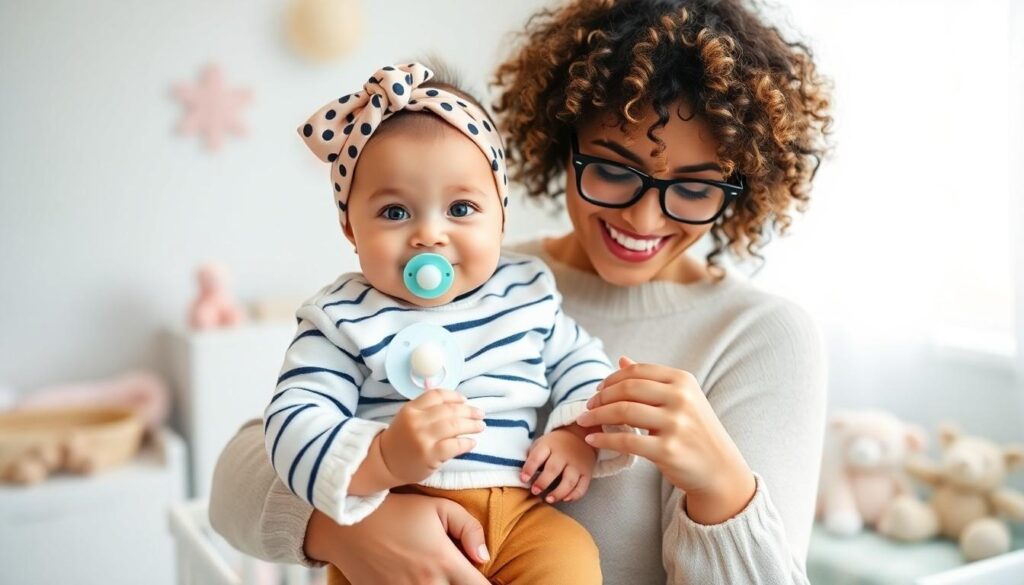
In a world where cuteness reigns supreme, the baby fashion accessories market is taking the spotlight. Parents are no longer just dressing their little ones; they’re crafting tiny fashion statements that can rival the runway. From whimsical headbands to chic booties, these accessories aren’t just about style—they’re about making every baby the star of the show.
As the demand for trendy baby gear skyrockets, brands are stepping up their game. Who knew a pacifier clip could be both functional and fabulously stylish? With the right accessories, even diaper changes can feel like a fashion parade. So, buckle up as we dive into this delightful realm where tiny tots meet high fashion, and discover how the baby fashion accessories market is transforming the way parents think about style.
Overview of Baby Fashion Accessories Market
The baby fashion accessories market is experiencing significant growth. Recent data shows that the global market is projected to exceed $15 billion by 2025. Increased parental interest in aesthetics drives this trend, leading many to seek stylish options for their infants. Accessories such as headbands, bows, and glasses offer both functionality and flair.
Stylish diaper bags are also gaining popularity. Parents recognize these bags as essential fashion statements, merging utility with chic design. The demand for personalized accessories continues to rise, with custom items becoming a favorite for celebrations. Unique pacifier clips and matching outfits enhance the overall look for special occasions.
Innovative brands are emerging and focusing on sustainable materials. Environmentally conscious parents often choose brands committed to organic or eco-friendly products. Businesses targeting this market recognize the importance of balancing style and safety, ensuring that all items meet safety standards while maintaining design appeal.
Emerging trends include gender-neutral accessories, which cater to a broader audience. The availability of various color palettes and styles supports individual expression. Social media platforms play a crucial role in influencing purchasing decisions. Parents often engage on platforms like Instagram and Pinterest, discovering inspiration for stylish baby looks.
Retail channels continue to diversify. Online shopping has become a preferred option for many parents, allowing easy access to a wide variety of products. Brick-and-mortar stores are adapting by incorporating curated sections dedicated to baby fashion accessories, enhancing their appeal. This evolution reflects the growing recognition of baby fashion as a critical component of modern parenting.
Key Trends in Baby Fashion Accessories
The baby fashion accessories market displays dynamic trends shaping its evolution. Parents now prioritize sustainability and inclusivity when choosing fashionable pieces for their children.
Sustainable Materials
Innovative brands are adopting eco-friendly materials in production. Organic cotton, bamboo, and recycled fabrics become popular choices among environmentally conscious parents. Safety standards remain a top priority while also reducing ecological footprints. Brands such as Finn + Emma and Liewood exemplify this commitment to sustainability. By offering products that combine style and responsibility, these brands attract a growing segment of the market.
Gender-Neutral Designs
Increasingly, gender-neutral accessories redefine children’s fashion. Parents seek items that encourage self-expression without being limited by traditional gender norms. Many brands are now offering collections featuring soft colors and unisex patterns. This shift not only promotes inclusivity but also allows for versatile styling options. Social media influences these choices, as imagery showcasing diverse baby fashion inspires parents. Brands like The Little Market focus on these designs, appealing to modern parents who value individuality and expression for their children.
Major Players in the Market
The baby fashion accessories market features several key players driving trends and innovation.
Leading Brands
Prominent brands lead the market by combining style with functionality. Companies like Ralph Lauren offer chic options that appeal to fashion-forward parents. Skip Hop focuses on practical accessories while maintaining a modern aesthetic. aden + anais prioritizes comfort through high-quality fabrics, appealing to parents who value both style and safety. Their products frequently include stylish diaper bags, trendy pacifier clips, and decorative headbands. This mix of established branding and fashionable designs ensures these companies remain favorites among consumers.
Emerging Startups
Emerging startups capture attention with unique offerings in the baby fashion accessories market. Brands like Finn + Emma attract eco-conscious parents with their sustainable products, using organic materials and vibrant designs. Liewood stands out for its commitment to gender-neutral styles that encourage creativity. Innovative companies are also leveraging social media platforms to engage customers and showcase their collections. Personalization options offered by many startups allow for customized baby accessories that resonate with modern parenting. Each of these newcomers contributes to the dynamic growth of the market, highlighting changing consumer preferences.
Consumer Preferences and Demographics
Consumer preferences in the baby fashion accessories market reveal significant insights into demographics and purchasing behavior. Age plays a critical role, with distinct trends observed among different parental groups.
Age Groups
Parents aged 25 to 34 represent the largest segment of baby fashion buyers. This group values trendy items, prioritizing both style and functionality in accessories. Infants and toddlers aged 0 to 3 years are the primary focus for brands, as parents often seek fashionable options during this early developmental stage. Accessories such as headbands, hats, and pacifier clips attract attention, especially when tailored for younger children. Parents between 35 to 44 years also contribute to market growth. This demographic often looks for luxury options and high-quality materials that ensure durability while maintaining aesthetic appeal.
Purchase Channels
Online shopping dominates the baby fashion accessories landscape, accounting for approximately 60% of total sales. Parents appreciate the convenience of browsing a variety of styles from home. E-commerce platforms like Amazon, Etsy, and dedicated specialty websites cater to a diverse range of preferences, making shopping effortless. Social media has become a powerful tool for discovering new products. Platforms like Instagram and Pinterest allow brands to showcase their offerings, influencing purchasing decisions. Traditional retail stores respond by creating curated sections for baby fashion accessories, fostering an engaging shopping experience for parents who prefer in-person purchases.
Challenges and Opportunities
The baby fashion accessories market faces several challenges amid its rapid growth. Competition among brands intensifies, leading to pricing pressures that can impact profit margins. Maintaining a unique selling proposition becomes critical as consumers seek differentiation in an increasingly crowded marketplace.
Innovation also presents hurdles. Companies must consistently develop new styles and designs to stay relevant. Fast-paced trends require brands to adapt quickly, often demanding significant resources for research and development.
Sustainability is emerging as both a challenge and an opportunity. Parents increasingly prioritize eco-friendly materials like organic cotton and recycled fabrics. Brands that successfully implement sustainable practices not only attract environmentally conscious buyers but also enhance brand loyalty.
Diversity and inclusivity within product offerings represent further opportunities. Gender-neutral designs resonate with modern consumers, allowing parents to embrace self-expression for their children. Companies that cater to this appeal gain a competitive edge and build stronger connections with their market.
Consumer behavior evolves with the rise of social media. Platforms influence purchasing decisions, making it crucial for brands to engage with audiences effectively. Developing a strong online presence enhances visibility and fosters relationships with potential buyers.
Online shopping dominates the market landscape, accounting for about 60% of total sales. Brands that optimize their e-commerce platforms create seamless shopping experiences, driving customer satisfaction and retention. Traditional retail stores also adapt, curating sections for trendy baby accessories that elevate the in-store experience.
With parents aged 25 to 34 representing the largest segment, understanding their preferences is vital. This demographic seeks stylish yet functional items for their infants. Catering to the needs of these buyers will shape the future of the baby fashion accessories market and unlock substantial growth opportunities.
The baby fashion accessories market is evolving rapidly as parents embrace stylish options for their little ones. This shift not only enhances the aesthetics of parenting but also reflects broader trends toward sustainability and inclusivity. As brands innovate and cater to diverse consumer preferences, the market is poised for continued growth.
With significant projections on the horizon and a strong online presence, companies must adapt to changing consumer behaviors. By focusing on unique selling propositions and engaging with their audience effectively, brands can thrive in this competitive landscape. The future of baby fashion accessories promises to be as vibrant and dynamic as the little ones who wear them.